
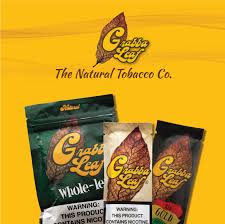
Grabba is a well-known term in the world of tobacco, referring to a type of leaf used primarily in hand-rolled cigarettes. It has played a significant role in the tobacco culture across Europe and parts of the United States, prized for its flavor, burn quality, and affordability. Historically, grabba leaves were popular among both working-class smokers seeking an economical option and enthusiasts looking for a distinct taste profile. Unlike commercial, pre-packaged cigarettes, grabba represents a tradition of DIY tobacco culture, emphasizing personal control over smoking experience. Beyond its practical use, grabba carries cultural significance, shaping rituals, social gatherings, and even artistic expressions in music and literature. This article explores the origins of grabba, its types, cultivation, cultural impact, health considerations, economic implications, and the role it plays in modern tobacco usage.
1. Origins and History of Grabba
The term “grabba” is derived from Dutch and Caribbean tobacco traditions. Dutch colonists and traders introduced certain tobacco leaf varieties from the Caribbean to Europe in the 17th and 18th centuries. The leaves were dried and cured in specific ways to produce a mild yet flavorful tobacco ideal for rolling. Grabba became particularly associated with the Netherlands, where hand-rolled cigarettes were popular among working-class communities due to their affordability.
Over time, grabba evolved into a distinctive product with a recognizable aroma and taste. Its history is intertwined with European trade routes, colonial agricultural practices, and the development of tobacco as both a commercial commodity and a social ritual. The portability and ease of use of grabba leaves made them a staple for generations of smokers, and its popularity eventually spread to other countries, including the United States and parts of Africa and the Caribbean.
2. Types of Grabba Leaves
Grabba comes in various types, each differing in flavor, strength, and preparation method. Common distinctions include:
-
Standard Grabba: A broad leaf, typically air-cured, offering a mild flavor and slow burn.
-
Flavored Grabba: Leaves that have been infused with additional flavors such as vanilla, cherry, or honey to appeal to smokers seeking a more aromatic experience.
-
Premium Grabba: Higher-quality leaves selected for uniformity and flavor, often imported from Caribbean or South American regions.
The choice of grabba leaf can significantly affect the smoking experience. Some smokers prefer a stronger, more robust taste, while others favor mild and smooth blends. Understanding the types and qualities of grabba allows users to select leaves suited to their personal preferences, ritualistic smoking habits, or cultural traditions.
3. Cultivation and Processing
Grabba leaves are cultivated in regions with suitable climate and soil conditions, often in the Caribbean, parts of South America, and the Netherlands’ trading partners. The leaves are harvested, cured, and sometimes fermented to enhance flavor and reduce harshness. Air curing is the most common method, allowing the leaves to dry slowly while maintaining their natural oils. Some premium grabba is flue-cured to introduce a sweeter, aromatic quality.
After curing, the leaves are trimmed, sorted, and packaged. In many communities, grabba leaves are stored and aged, as older leaves develop a richer, smoother flavor. This careful preparation process distinguishes grabba from mass-produced cigarette tobacco, contributing to its unique appeal among connoisseurs of hand-rolled tobacco.
4. Cultural Significance
Grabba has played a central role in tobacco culture. It is more than just a smoking material; it is part of rituals, social gatherings, and identity expression. In Europe, particularly the Netherlands, hand-rolled cigarettes using grabba leaves became a symbol of working-class resilience and independence. Rolling your own cigarette offered affordability, personalization, and a sense of craftsmanship.
In music, literature, and film, grabba has appeared as a cultural marker, representing authenticity, rebellion, or social bonding. Among Caribbean and African communities, grabba leaves were incorporated into local traditions, social ceremonies, and even informal economies. The ritual of rolling, sharing, and smoking grabba fosters social cohesion and conveys a nuanced cultural heritage linked to both global trade and local customs.
5. Usage and Consumption
Using grabba typically involves rolling the leaf around shredded tobacco to create a cigarette. Some users incorporate additional flavors or alternative rolling materials to enhance aroma and taste. While grabba was traditionally smoked plain, modern users often combine it with rolling papers or filters to control strength and smoothness.
Consumption patterns vary across demographics. Some consumers smoke daily, appreciating the ritualistic aspect of rolling and lighting grabba, while others reserve it for social occasions or special gatherings. The flexibility in usage contributes to its enduring popularity, even as pre-packaged cigarettes dominate the global market.
6. Health Considerations
While grabba is often perceived as more natural or less processed than commercial cigarettes, it still carries significant health risks. Like all tobacco products, grabba contains nicotine, tar, and other harmful compounds that contribute to cardiovascular disease, respiratory problems, and cancer. Smoking hand-rolled cigarettes can sometimes result in higher exposure to certain toxins due to the absence of filters or additives that regulate burn.
Public health organizations emphasize that any form of tobacco carries risks. Consumers should be informed about these risks, understand the potential for addiction, and consider harm-reduction strategies if using grabba or other hand-rolled tobacco products.
7. Economic and Social Implications
Grabba has both economic and social dimensions. Economically, it supports niche markets, small-scale farmers, and specialty retailers. Premium grabba leaf varieties create opportunities for artisanal markets and import businesses, especially in Europe and North America.
Socially, grabba fosters community and shared experience. The act of rolling and smoking together serves as a bonding ritual, particularly among youth and working-class communities. It is also associated with creativity, leisure, and the preservation of cultural heritage, demonstrating that tobacco use is not merely consumptive but can have symbolic and social significance.
8. Modern Trends and Challenges
In recent decades, grabba has faced challenges from increasing regulation, health awareness campaigns, and the global dominance of commercial cigarette brands. However, it has also seen a resurgence among enthusiasts seeking authentic or artisanal tobacco experiences. Online marketplaces, specialty stores, and niche social communities have kept grabba accessible to dedicated users.
Trends include the rise of flavored leaves, integration with modern rolling techniques, and a focus on ethical sourcing and sustainability. Users are increasingly interested in provenance, production methods, and the environmental impact of tobacco cultivation, creating opportunities for transparent and responsible grabba production.
FAQ
1. What is grabba?
Grabba is a type of tobacco leaf used primarily for hand-rolled cigarettes, known for its distinct flavor and cultural significance.
2. Where does grabba come from?
Grabba leaves originate from Dutch and Caribbean tobacco traditions and are often cultivated in tropical or subtropical regions.
3. How is grabba used?
It is typically rolled around shredded tobacco to create hand-rolled cigarettes, sometimes combined with rolling papers or filters.
4. Is grabba safer than commercial cigarettes?
No. While it may be perceived as more natural, grabba contains nicotine and other harmful compounds, carrying similar health risks as other tobacco products.
5. Can grabba be flavored?
Yes. Flavored grabba leaves infused with vanilla, honey, or other botanicals are available to enhance aroma and taste.
6. What is the cultural significance of grabba?
It represents tradition, social bonding, craftsmanship, and working-class heritage, particularly in European and Caribbean communities.
Conclusion
Grabba is more than just a tobacco leaf; it embodies a rich cultural and historical tradition spanning Europe, the Caribbean, and beyond. From its origins in Dutch colonial trade routes to its role in modern hand-rolled tobacco culture, grabba reflects the intersection of taste, craftsmanship, economy, and social ritual. While its use carries undeniable health risks, its cultural, social, and artisanal significance cannot be overlooked. For enthusiasts, grabba offers a window into tobacco history, traditional techniques, and a personalized smoking experience that continues to thrive despite modern regulatory and health challenges. Understanding grabba requires recognizing both its cultural value and the responsibility that comes with its consumption.
