
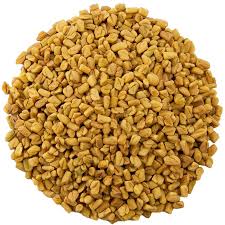
In the realm of herbal remedies and natural supplements, few plants have garnered as much attention as Foenegriek, commonly known as fenugreek. Used for centuries in culinary, medicinal, and wellness applications, this versatile herb has become a staple in both traditional and modern health practices. Foenegriek is celebrated for its potential to support digestion, regulate blood sugar, boost lactation, enhance metabolism, and improve overall well-being. Its seeds, leaves, and extracts are widely incorporated into teas, capsules, powders, and cooking ingredients, making it a highly adaptable herb. This article serves as a complete guide to Foenegriek, exploring its history, nutritional composition, health benefits, methods of consumption, scientific research, cultural significance, safety considerations, and tips for selecting high-quality products. By the end, readers will have a thorough understanding of Foenegriek and how to incorporate it effectively into their daily lives.
1. Origins and Historical Background of Foenegriek
Foenegriek is believed to have originated in the Mediterranean region and Western Asia, where it was cultivated not only for culinary purposes but also for its medicinal properties. Historical records suggest that ancient Egyptians, Greeks, and Indians used Foenegriek as a natural remedy for digestive issues, lactation support, and general wellness. In Ayurvedic medicine, it has been valued as a tonic for maintaining overall health, regulating metabolic functions, and promoting vitality. Over centuries, the herb spread to Europe and North America, where it became an integral part of herbal medicine and health supplement markets. Understanding the cultural and historical context of Foenegriek highlights its long-standing reputation as a beneficial herb and sets the foundation for its modern applications.
2. Nutritional Profile and Key Bioactive Compounds
Foenegriek is rich in bioactive compounds, which account for its diverse health benefits. Its seeds and leaves contain:
-
Saponins and flavonoids: Compounds that may contribute to cholesterol regulation, antioxidant activity, and anti-inflammatory effects.
-
Vitamins and minerals: Including vitamin C, vitamin B6, folate, iron, magnesium, and manganese, which are essential for metabolism, immunity, and overall cellular health.
-
Dietary fiber: Supports digestive health, blood sugar regulation, and satiety.
-
Alkaloids and amino acids: Which may play a role in hormonal balance and metabolic support.
This nutritional richness makes Foenegriek not only a culinary ingredient but also a functional supplement with multifaceted health applications.
3. Health Benefits of Foenegriek
Foenegriek has been widely studied for its potential health effects. While individual responses may vary, the herb is recognized for several key benefits:
3.1 Blood Sugar and Metabolic Support
Research indicates that Foenegriek may help regulate blood sugar levels, particularly in individuals with type 2 diabetes or insulin resistance. Its soluble fiber and saponin content help slow carbohydrate absorption, improve glucose metabolism, and support overall metabolic function.
3.2 Digestive Health
Foenegriek seeds contain high levels of dietary fiber and mucilaginous compounds, which can aid digestion, alleviate constipation, and promote healthy gut microbiota. Its gentle laxative effect also supports regular bowel movements and overall digestive wellness.
3.3 Lactation and Hormonal Support
Traditionally, Foenegriek is used as a galactagogue, promoting milk production in lactating mothers. Certain compounds in the seeds may help stimulate milk flow while providing essential nutrients for both mother and child.
3.4 Cholesterol and Cardiovascular Health
Studies suggest that Foenegriek may help reduce total cholesterol, LDL cholesterol, and triglycerides while supporting cardiovascular health. Its saponins and fiber content contribute to lipid metabolism and heart health.
3.5 Anti-Inflammatory and Antioxidant Effects
Foenegriek contains antioxidants and anti-inflammatory compounds that help protect cells from oxidative stress, reduce inflammation, and promote overall wellness. These properties may also support joint health, skin vitality, and immune function.
4. Culinary Uses of Foenegriek
Foenegriek is widely used in culinary traditions across the globe:
-
Seeds: Used whole or ground as a spice in curries, stews, pickles, and bread. Their slightly bitter and nutty flavor enhances savory dishes.
-
Leaves: Known as “methi” in Indian cuisine, used fresh or dried in soups, sauces, and vegetable preparations.
-
Sprouts: Can be incorporated into salads and sandwiches for added nutrition.
In addition to flavor, the herb contributes functional benefits, making it a natural supplement through diet rather than requiring a separate capsule or powder.
5. Methods of Consumption and Dosage
Foenegriek can be consumed in multiple forms, depending on preference and desired benefits:
-
Powdered seeds: Added to smoothies, teas, or recipes for ease of use.
-
Capsules or tablets: Convenient for consistent daily intake, especially for metabolic or hormonal support.
-
Infusions and teas: Soothing drinks for digestion, energy, and relaxation.
-
Cooking with leaves or sprouts: A culinary way to integrate Foenegriek into meals.
Dosage varies by form and purpose, but typically, 5–10 grams of seeds per day or a standardized capsule as per manufacturer recommendations is considered safe for adults. Gradual introduction is advised to minimize digestive discomfort.
6. Scientific Research and Evidence
A growing body of research supports the potential benefits of Foenegriek:
-
Diabetes and glucose regulation: Clinical trials indicate that Foenegriek supplementation can help reduce fasting blood glucose and improve insulin sensitivity.
-
Cholesterol management: Research shows reductions in LDL cholesterol and triglycerides with regular Foenegriek intake.
-
Hormonal and lactation support: Several studies confirm its galactagogue properties and positive effects on reproductive hormones.
-
Digestive benefits: Fiber and mucilage in seeds promote gut motility and support healthy microbiota.
While promising, ongoing research is needed to establish standardized dosing guidelines and long-term effects.
7. Safety and Precautions
Foenegriek is generally safe for most adults, but certain precautions should be considered:
-
Allergic reactions: Rare, but possible in sensitive individuals.
-
Pregnancy and lactation: Consult a healthcare provider before use, especially in concentrated forms.
-
Medication interactions: May interact with anticoagulants, diabetes medications, or other supplements.
-
Digestive sensitivity: Excessive consumption may cause mild bloating or diarrhea.
Moderation, gradual introduction, and professional guidance help ensure safe and effective use.
8. Choosing High-Quality Foenegriek Products
For maximum benefits, it’s important to select high-quality products:
-
Organic sourcing: Free from pesticides and chemical residues.
-
Proper processing: Low-temperature drying preserves nutrients.
-
Third-party testing: Ensures purity and potency.
-
Transparent labeling: Check for standardized extracts or accurate dosage instructions.
-
Reputable brands: Positive reviews and long-standing presence in the market indicate reliability.
9. Integrating Foenegriek into a Holistic Wellness Routine
Foenegriek works best as part of a comprehensive wellness plan:
-
Balanced diet: Combine with fresh fruits, vegetables, whole grains, and lean proteins.
-
Exercise: Supports metabolism, energy, and cardiovascular health.
-
Hydration: Adequate water intake enhances fiber benefits and detoxification.
-
Sleep and stress management: Synergize with Foenegriek’s metabolic and antioxidant effects for holistic well-being.
10. Common Misconceptions About Foenegriek
-
“It is a miracle cure” — Foenegriek is supportive, not curative.
-
“More is always better” — Excess intake may cause digestive discomfort without accelerating benefits.
-
“All products are identical” — Potency and quality vary; sourcing and processing matter.
-
“Immediate results” — Benefits usually appear gradually with consistent use.
Understanding these points ensures realistic expectations and effective integration into daily life.
Frequently Asked Questions (FAQ)
1. What is Foenegriek used for?
Foenegriek supports digestion, blood sugar regulation, lactation, metabolism, cholesterol management, and overall wellness.
2. How should I consume it?
Through seeds, leaves, sprouts, teas, capsules, or powders — depending on preference and health goals.
3. Is it safe for daily use?
Yes, when consumed in moderation and according to recommended dosages. Consult a healthcare provider if pregnant or taking medications.
4. Does it help with weight loss?
It may support metabolism and appetite control but should be combined with a healthy diet and exercise.
5. Are there side effects?
Mild bloating or digestive discomfort may occur in sensitive individuals; gradual introduction reduces risk.
6. Can children take Foenegriek?
Consult a pediatrician before giving any herbal supplement to children.
7. How do I select a high-quality product?
Choose organic, properly processed, third-party tested, and reputable brands with transparent labeling.
Conclusion
Foenegriek is a versatile and valuable herb with a rich history, diverse nutritional composition, and a wide array of health benefits. From digestive support to blood sugar regulation, lactation assistance, and metabolic enhancement, Foenegriek offers a natural, holistic approach to wellness. Its integration into culinary practices or supplementation routines makes it accessible and adaptable for daily use. By choosing high-quality products, following recommended dosages, and combining its use with a balanced lifestyle, individuals can harness the full potential of Foenegriek to support long-term health, vitality, and overall well-being.
