
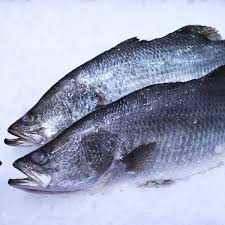
Barramundi, also known as Asian sea bass, is one of the most iconic and versatile fish species in the Indo-Pacific region. Renowned for its impressive size, rapid growth, and adaptability to both freshwater and saltwater environments, barramundi has captured the attention of fishermen, chefs, aquaculturists, and conservationists alike. The name “barramundi” is derived from an Aboriginal Australian term meaning “large-scaled river fish,” reflecting the species’ cultural and ecological significance. Native to northern Australia, Southeast Asia, and parts of India, barramundi thrives in rivers, estuaries, and coastal waters, demonstrating remarkable adaptability that makes it a key species in both commercial aquaculture and recreational fishing. Beyond its economic value, barramundi plays an important role in maintaining ecological balance in its natural habitats, as well as serving as a nutritious and highly sought-after food source for humans. This article explores the biology, habitat, life cycle, ecological role, aquaculture practices, culinary uses, health benefits, conservation concerns, and cultural importance of barramundi, providing a comprehensive overview of this remarkable species.
1. Biological Characteristics of Barramundi
Barramundi (scientific name Lates calcarifer) is a large, predatory fish known for its elongated body, silvery scales, and sharp, slightly protruding lower jaw. It can grow up to 1.8 meters (6 feet) in length and weigh over 60 kilograms (130 pounds) in the wild. Barramundi are euryhaline, meaning they can tolerate a wide range of salinities, allowing them to thrive in both freshwater and marine environments. One of the most fascinating aspects of barramundi biology is their sequential hermaphroditism: they are protandrous, beginning life as males and later transforming into females, usually around 3–4 years of age or when reaching a certain size. This reproductive strategy enhances their adaptability and ensures sustainable population dynamics in the wild. Additionally, barramundi have sharp eyesight, a lateral line system for detecting vibrations in water, and a highly developed sense of smell, making them efficient hunters capable of preying on smaller fish, crustaceans, and invertebrates.
2. Natural Habitat and Distribution
Barramundi are native to tropical and subtropical regions, including northern Australia, Southeast Asia, Papua New Guinea, and parts of India. They inhabit rivers, estuaries, floodplains, and coastal lagoons, demonstrating remarkable adaptability to changing salinity levels. Juvenile barramundi are typically found in freshwater environments such as rivers and floodplains, which provide protection and abundant food sources, while adults migrate to estuarine and marine areas for breeding. Seasonal monsoon rains and tidal cycles often trigger their migratory and spawning behaviors, illustrating their intricate relationship with environmental conditions. Their broad distribution and habitat versatility make barramundi a critical species in maintaining ecological balance, as they act as apex or near-apex predators in many aquatic ecosystems.
3. Life Cycle and Reproduction
Barramundi have a fascinating life cycle characterized by sex reversal and seasonal migration. They begin life as males in freshwater habitats and transform into females after several years or when reaching sufficient size. Spawning typically occurs in estuarine or coastal marine waters during the wet season, when rising water levels and increased nutrient availability create optimal conditions for egg and larval survival. Females release thousands of pelagic eggs, which hatch within 24–48 hours depending on water temperature. The larvae then drift toward estuaries or floodplains, where juvenile barramundi find shelter and abundant food. This life cycle, which combines freshwater growth with marine spawning, allows barramundi to exploit diverse ecological niches and contributes to their resilience as a species. Understanding their reproductive biology is also crucial for effective fisheries management and aquaculture practices.
4. Diet and Feeding Behavior
Barramundi are carnivorous predators, feeding primarily on smaller fish, crustaceans, and invertebrates. Juveniles feed mainly on plankton and small aquatic organisms, gradually shifting to larger prey as they grow. They exhibit opportunistic hunting behavior, using their sharp eyesight and lateral line system to detect movement and vibrations in the water. Barramundi are known for their sudden bursts of speed and powerful strikes, allowing them to capture prey efficiently. Their feeding behavior not only supports rapid growth but also positions them as important regulators of prey populations, helping maintain balance in aquatic ecosystems. In aquaculture settings, barramundi are often fed formulated diets designed to replicate their natural nutritional intake, promoting healthy growth and optimal flesh quality.
5. Importance in Commercial Fisheries and Aquaculture
Barramundi is highly valued in both commercial and recreational fishing industries due to its size, taste, and adaptability. In aquaculture, barramundi is cultivated extensively in tropical regions of Australia, Southeast Asia, and the Middle East, where it is farmed in freshwater, brackish water, and marine pens. Its fast growth rate, disease resistance, and tolerance to variable salinity make it ideal for aquaculture, contributing significantly to global seafood supply. Commercial fisheries also target wild populations, particularly in Australia and Southeast Asia, where barramundi is considered a premium catch. Sustainable aquaculture practices, including selective breeding, water quality management, and controlled feeding, are critical to ensuring that barramundi farming meets growing market demand while minimizing environmental impact.
6. Culinary Uses and Nutrition
Barramundi is renowned for its delicate, buttery flavor and firm, white flesh, making it a popular choice in both home kitchens and fine dining restaurants. It can be prepared in a variety of ways, including grilling, baking, frying, and steaming, and is often featured in Southeast Asian, Australian, and Pacific cuisines. Nutritionally, barramundi is rich in high-quality protein, omega-3 fatty acids, vitamins (such as B12 and D), and essential minerals (including selenium and phosphorus). Its low mercury content relative to other predatory fish makes it a healthy choice for regular consumption. Culinary appreciation of barramundi has contributed to its popularity worldwide, with chefs emphasizing sustainable sourcing and eco-friendly practices to protect wild populations.
7. Environmental and Ecological Significance
Barramundi plays a vital role in aquatic ecosystems as a top predator and as part of the food chain supporting other species. By controlling populations of smaller fish and invertebrates, barramundi helps maintain ecological balance in rivers, estuaries, and coastal waters. Juveniles contribute to nutrient cycling in floodplain habitats, while adults influence the structure and dynamics of estuarine ecosystems. In addition, barramundi serves as an indicator species for environmental health, as changes in water quality, temperature, or habitat degradation can directly affect their populations. Conservation and habitat management efforts often focus on protecting migratory pathways, breeding grounds, and water quality to ensure the long-term sustainability of barramundi populations.
8. Conservation Status and Threats
While barramundi populations are generally stable in the wild, they face several environmental and anthropogenic threats. Overfishing, habitat destruction, water pollution, and dam construction can disrupt their migratory and spawning behaviors, impacting population sustainability. Climate change, particularly changes in rainfall patterns and sea temperatures, may also affect breeding cycles and juvenile survival rates. Conservation measures include sustainable fishing regulations, habitat restoration, and responsible aquaculture practices that reduce pressure on wild populations. Organizations in Australia and Southeast Asia are actively promoting initiatives to monitor wild barramundi populations, enforce fishing quotas, and educate communities on the importance of ecological stewardship.
9. Cultural and Economic Importance
Barramundi holds significant cultural, recreational, and economic value. In Australia, it is a staple of recreational fishing and is considered a prized catch among anglers. In Southeast Asia, barramundi features prominently in culinary traditions and local markets, contributing to livelihoods and regional economies. The fish also has symbolic importance in Aboriginal Australian culture, where it represents abundance, strength, and adaptability. Economic valuation of barramundi extends to international trade, with farmed barramundi exported globally to meet demand in high-end restaurants and retail markets. Its cultural resonance and economic significance highlight the need for careful management and conservation strategies.
10. FAQs About Barramundi
Q1: What is barramundi?
A: Barramundi (Lates calcarifer) is a large, predatory fish native to the Indo-Pacific region, valued for its taste, size, and adaptability.
Q2: Where does barramundi live?
A: It inhabits rivers, estuaries, floodplains, and coastal waters in northern Australia, Southeast Asia, and parts of India.
Q3: How big can barramundi grow?
A: Barramundi can grow up to 1.8 meters (6 feet) in length and weigh over 60 kilograms (130 pounds).
Q4: Is barramundi safe to eat?
A: Yes, barramundi is low in mercury and rich in protein and omega-3 fatty acids, making it a healthy food choice.
Q5: Why is barramundi important?
A: Barramundi plays a key role in aquatic ecosystems as a predator, supports commercial fisheries and aquaculture, and holds cultural and economic significance.
Conclusion
Barramundi is a remarkable species that exemplifies the complexity, adaptability, and ecological importance of tropical and subtropical fish. Its biological characteristics, including sequential hermaphroditism and euryhaline adaptability, make it a fascinating subject for scientific study, while its culinary appeal and nutritional value ensure its global popularity. Beyond its utility as food, barramundi serves as a critical predator in aquatic ecosystems, maintaining ecological balance and indicating environmental health. Sustainable fisheries management, responsible aquaculture practices, and habitat conservation are essential to protecting barramundi populations for future generations. As both a cultural symbol and an economic resource, barramundi continues to inspire appreciation, research, and stewardship, highlighting the interconnectedness of natural ecosystems, human society, and global food security.
