
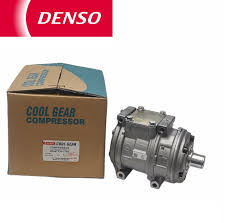
In the modern automotive and industrial sectors, precision components play a crucial role in ensuring performance, efficiency, and reliability. The Denso 447220-4771 is one such component, widely recognized for its durability, advanced engineering, and integration capabilities within various systems. Primarily used in fuel injection and engine management systems, this part contributes to optimal engine performance, reduced emissions, and improved fuel economy. Understanding Denso 447220-4771 requires a thorough examination of its specifications, applications, operational principles, installation guidelines, maintenance requirements, and potential troubleshooting strategies. This article provides a comprehensive overview of the component, highlighting its technical features, functional significance, and practical considerations for automotive professionals, enthusiasts, and technicians alike. By exploring Denso 447220-4771 in detail, readers gain insight into how high-quality components influence the overall performance and longevity of modern vehicles and machinery.
Origins and Manufacturer Background
The Denso Corporation has established itself as a global leader in automotive technology, supplying high-precision components to manufacturers worldwide. Founded in Japan, Denso has a long history of innovation in fuel systems, electronic controls, and engine management solutions. The 447220-4771 model is part of Denso’s extensive lineup of sensors and injectors designed to meet stringent quality standards, environmental regulations, and performance benchmarks. Denso’s commitment to research, development, and rigorous testing ensures that each component is manufactured to provide reliability, efficiency, and compatibility across a wide range of applications. By understanding the manufacturer’s background, it becomes evident why the Denso 447220-4771 is trusted by automotive professionals and industrial operators globally.
Technical Specifications and Features
The Denso 447220-4771 is engineered to precise specifications to ensure optimal performance within fuel injection systems. Key features include high-precision construction, corrosion-resistant materials, robust connectors, and compatibility with modern engine control units (ECUs). Its design allows for accurate measurement of fuel delivery, pressure, or other critical parameters depending on the application, ensuring efficient engine operation and compliance with emission standards. The component often incorporates electronic sensors, signal calibration capabilities, and temperature-resistant materials, making it suitable for both gasoline and diesel engines in passenger vehicles, commercial trucks, and industrial machinery. Understanding these technical specifications helps technicians and users determine compatibility, installation requirements, and operational expectations.
Applications in Automotive Systems
The primary application of Denso 447220-4771 lies in fuel injection and engine management systems, where it contributes to precise fuel delivery, combustion efficiency, and overall engine performance. By accurately monitoring parameters such as fuel pressure, injector timing, or air-fuel ratio, the component ensures that engines operate smoothly, maximize power output, and minimize emissions. Its use extends across passenger vehicles, light and heavy-duty trucks, and certain industrial machinery, making it versatile in modern transportation and industrial contexts. The component’s compatibility with electronic control units allows for integration into complex engine management strategies, enabling adaptive responses to driving conditions, fuel quality variations, and environmental factors.
Installation and Handling Guidelines
Proper installation of the Denso 447220-4771 is critical to ensure reliable performance and longevity. Technicians should follow manufacturer guidelines, including torque specifications, connector alignment, and secure mounting procedures. Electrical connections should be handled with care to prevent damage to sensors or wiring, and components should be inspected for contamination or physical defects before installation. In addition, calibration or initialization procedures may be necessary to ensure that the component communicates correctly with the vehicle’s ECU. Adhering to these guidelines not only ensures optimal functionality but also reduces the risk of engine malfunctions, fuel inefficiencies, or sensor failures over time.
Maintenance and Troubleshooting
Maintaining the Denso 447220-4771 involves regular inspections, cleaning, and performance testing to ensure sustained efficiency. Signs of potential failure include erratic engine performance, decreased fuel efficiency, warning lights on the dashboard, or inconsistent sensor readings. Troubleshooting may involve checking electrical connectors, testing resistance or signal output, and verifying integration with the engine control unit. In cases of wear or damage, replacement with a genuine Denso component is recommended to preserve system reliability. Routine maintenance and prompt attention to issues extend the service life of the component and contribute to the overall health of the engine or machinery it supports.
Advantages and Benefits
The advantages of using Denso 447220-4771 include enhanced fuel efficiency, improved engine performance, reduced emissions, and long-term reliability. The precision engineering of the component ensures consistent operation under a variety of conditions, while its compatibility with advanced engine management systems supports adaptive and intelligent engine control. Additionally, the use of high-quality materials and manufacturing standards minimizes the risk of premature wear, corrosion, or electrical failure. For vehicle owners and operators, the benefits translate into smoother engine operation, lower maintenance costs, and compliance with environmental regulations, making the component a cost-effective investment in long-term performance.
Common Challenges and Considerations
Despite its reliability, users may encounter challenges when working with the Denso 447220-4771, such as compatibility with certain vehicle models, sensitivity to electrical disturbances, or the need for proper calibration after installation. Technicians must be aware of these considerations to prevent operational issues, such as inaccurate fuel delivery, engine misfires, or sensor malfunctions. Additionally, sourcing genuine components from authorized suppliers is essential to avoid counterfeit parts that may compromise performance and safety. Awareness of these challenges allows users to proactively manage installation, operation, and maintenance for optimal results.
Industry Impact and Market Presence
Denso components, including the 447220-4771, have a significant impact on automotive and industrial markets due to their reputation for quality and reliability. The widespread adoption of these components in modern vehicles and machinery has contributed to higher industry standards for fuel efficiency, emissions control, and engine performance. Their integration into global supply chains reflects trust among OEMs, repair shops, and aftermarket suppliers. By maintaining rigorous quality control and continuous innovation, Denso has established a benchmark for performance components, positioning products like the 447220-4771 as essential tools for modern mechanical systems.
FAQ
What is the Denso 447220-4771? It is a precision component used primarily in fuel injection and engine management systems to optimize performance and efficiency.
Which vehicles use this part? It is compatible with a variety of gasoline and diesel engines in passenger vehicles, commercial trucks, and industrial machinery, depending on manufacturer specifications.
How should it be installed? Installation requires following manufacturer guidelines, including proper torque, secure connections, and possible ECU calibration.
How do I maintain it? Regular inspections, cleaning, and performance testing are recommended, along with prompt replacement if faults occur.
Why choose genuine Denso components? Genuine parts ensure reliability, precise performance, compatibility, and compliance with emissions and safety standards.
Conclusion
The Denso 447220-4771 represents a critical component in modern automotive and industrial systems, combining precision engineering, reliability, and versatility to enhance engine performance and fuel efficiency. Its integration into fuel injection and engine management systems ensures optimal combustion, reduced emissions, and long-term operational reliability. Proper installation, maintenance, and troubleshooting are essential to maximize its benefits, while its widespread adoption underscores its value in both OEM and aftermarket applications. By understanding the technical specifications, operational role, and practical considerations of the Denso 447220-4771, technicians, vehicle owners, and industry professionals can ensure optimal system performance, reliability, and compliance with modern standards, reflecting the importance of high-quality components in contemporary mechanical systems.
