
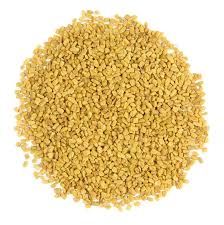
Foenegriek, commonly known as fenugreek, is a herb that has been valued for centuries in traditional medicine, culinary applications, and modern health and wellness practices. Its seeds, leaves, and extracts are recognized for their rich composition of nutrients, bioactive compounds, and medicinal properties, making it a versatile addition to both diets and natural remedies. Over the years, foenegriek has gained global attention due to its potential benefits for metabolism, hormonal balance, digestive health, and overall well-being. This article explores foenegriek in detail, covering its origins, composition, health benefits, culinary applications, cultivation methods, industry relevance, scientific research, safety considerations, and future prospects. By the end of this guide, readers will have a thorough understanding of how foenegriek can be safely and effectively integrated into modern wellness practices and dietary routines.
Origins and Composition of Foenegriek
Foenegriek is native to the Mediterranean region, Southern Europe, and parts of Asia, where it has been cultivated for thousands of years for both culinary and medicinal purposes. The plant produces small, golden-brown seeds that are rich in fiber, vitamins, minerals, and unique bioactive compounds such as saponins, flavonoids, and alkaloids. These compounds are credited with many of foenegriek’s health-promoting properties. Additionally, the leaves of the plant are edible and contain antioxidants that contribute to overall health. The combination of nutritional content and bioactive chemicals makes foenegriek a subject of interest for researchers exploring natural interventions for metabolic disorders, inflammation, and hormonal regulation.
Health Benefits of Foenegriek
Foenegriek offers a variety of health benefits that have been recognized in both traditional medicine and modern scientific research. One of its most notable benefits is its potential role in supporting blood sugar regulation, making it valuable for individuals managing type 2 diabetes. Studies suggest that foenegriek may improve insulin sensitivity and help regulate glucose metabolism. It is also associated with digestive benefits, including reducing inflammation in the gastrointestinal tract and promoting healthy digestion. Additionally, foenegriek is often used for its potential to support lactation in breastfeeding women, improve hormonal balance, and enhance overall metabolic function. Its antioxidant properties contribute to reducing oxidative stress, which is linked to chronic diseases and aging processes.
Culinary Uses and Dietary Integration
Foenegriek is widely used in culinary traditions across India, the Middle East, and Europe. Its seeds are commonly roasted, ground, or incorporated into spice blends, while its leaves are used in soups, stews, and salads. The flavor profile of foenegriek is slightly bitter and nutty, which makes it versatile for both savory and herbal preparations. In addition to enhancing taste, incorporating foenegriek into meals provides nutritional and functional benefits, including fiber, vitamins, and antioxidants. Dietary supplements and teas containing foenegriek are also popular for those seeking a more concentrated form of its bioactive compounds. This versatility in culinary and supplemental forms makes foenegriek an accessible option for health-conscious individuals.
Cultivation and Sustainable Practices
The cultivation of foenegriek requires specific conditions, including well-draining soil, adequate sunlight, and moderate temperatures. Traditional and modern cultivation methods focus on maximizing seed quality, nutritional content, and yield while maintaining ecological sustainability. Organic farming practices are increasingly preferred to minimize pesticide use and promote soil health. Rotational cropping and sustainable irrigation techniques help preserve biodiversity and reduce environmental impact. Sustainable cultivation practices are essential not only for ensuring the quality of foenegriek products but also for supporting long-term agricultural resilience and responsible global supply chains.
Scientific Research and Evidence
Scientific studies have increasingly focused on foenegriek to validate its traditional uses and explore new therapeutic applications. Research has highlighted its potential in managing blood sugar levels, reducing cholesterol, supporting lactation, and providing anti-inflammatory and antioxidant effects. Laboratory studies have demonstrated that compounds in foenegriek can influence metabolic pathways, enhance cellular function, and modulate inflammatory responses. Ongoing clinical trials are investigating optimal dosages, long-term safety, and its role in combination with other dietary interventions. Scientific validation of foenegriek’s benefits ensures that it can be responsibly recommended for health and wellness purposes.
Industry Applications and Market Relevance
Foenegriek has become a significant ingredient in the nutraceutical, functional food, and herbal supplement industries. It is included in teas, capsules, powders, and fortified foods designed to support metabolic health, lactation, and overall wellness. The growing global demand for natural and plant-based supplements has positioned foenegriek as a high-value commodity in health markets. Companies investing in quality control, standardized extracts, and research-backed formulations are able to provide reliable products to consumers, enhancing both credibility and market reach. The industrial relevance of foenegriek highlights the intersection of traditional botanical knowledge with modern health and business opportunities.
Safety, Dosage, and Precautions
Foenegriek is generally considered safe for most individuals when consumed in moderate amounts. However, some people may experience digestive discomfort, allergic reactions, or interactions with medications such as blood thinners and diabetes treatments. Pregnant women should consult a healthcare provider before use due to potential hormonal effects. Safe dosage depends on the form of consumption, whether culinary, supplemental, or extract-based. Monitoring for adverse effects and sourcing foenegriek from reputable suppliers are essential practices for ensuring safety and maximizing benefits.
Future Trends and Opportunities
The future of foenegriek in health and nutrition is promising, with potential applications in functional foods, personalized nutrition, and integrative wellness programs. Advancements in extraction methods and bioavailability research may increase the effectiveness of foenegriek-based products. Its combination with other botanicals and nutrients could create synergistic formulations targeting specific health concerns such as metabolic health, digestive wellness, and hormonal balance. As consumer interest in plant-based solutions continues to rise, foenegriek is likely to maintain its relevance and expand its presence in global health markets.
Conclusion
Foenegriek is a versatile and scientifically interesting botanical with applications in health, nutrition, and culinary practices. Its rich composition of bioactive compounds, potential health benefits, and culinary versatility make it an attractive option for individuals seeking natural wellness solutions. By combining sustainable cultivation, scientific research, and responsible usage, foenegriek can be integrated into modern dietary and wellness routines safely and effectively. Its relevance in both traditional and contemporary contexts highlights its enduring significance as a botanical resource with broad applications in health and industry.
FAQs
What is Foenegriek?
Foenegriek, also known as fenugreek, is a plant whose seeds, leaves, and extracts are used in nutrition, culinary practices, and herbal remedies.
What are the main health benefits?
Potential benefits include supporting blood sugar regulation, improving digestion, enhancing lactation, reducing inflammation, and providing antioxidant effects.
How is foenegriek consumed?
It can be used in cooking, teas, supplements, powdered form, or added to functional foods.
Is foenegriek safe?
Yes, it is generally safe for most people when used in moderation, but those with allergies or on medications should consult a healthcare provider.
Where is foenegriek grown?
It is cultivated in the Mediterranean, Middle East, and parts of Asia, with sustainable farming practices increasingly preferred.
Is there scientific research on foenegriek?
Yes, research supports its role in metabolic health, anti-inflammatory effects, and lactation support, though studies continue to explore optimal usage.
Can it be used commercially?
Yes, foenegriek is widely used in nutraceuticals, supplements, functional foods, and herbal products.
What should consumers look for?
High-quality sourcing, organic certification, proper labeling, and evidence-based formulations ensure safety and efficacy.
