
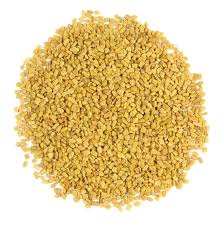
Foenegriek, known in English as fenugreek, is one of the oldest cultivated herbs in human history and has been valued for thousands of years for its medicinal, culinary, and nutritional benefits. Originating in regions of South Asia, the Middle East, and North Africa, foenegriek has traveled across continents and cultures, becoming a staple ingredient in traditional medicine and cooking. The small golden-brown seeds of foenegriek carry a unique aroma and a slightly bitter taste that transforms into a sweet, maple-like flavor when cooked. Today, foenegriek is used in herbal remedies, dietary supplements, skincare products, and cuisines around the world, and its growing popularity reflects a global shift toward natural wellness and plant-based living. This article explores foenegriek in detail, including its origins, nutritional value, health benefits, culinary uses, scientific perspective, myths, and future importance.
The Origin and Historical Importance of Foenegriek
Foenegriek has been cultivated for more than 4,000 years, with records showing its use in ancient Egyptian, Greek, Roman, Indian, and Chinese civilizations. Ancient Egyptians used foenegriek in embalming processes, cooking, and medicinal treatments for digestion and childbirth recovery. Greek physicians valued it as a healing herb, and Roman soldiers consumed it for strength and endurance. In South Asia, foenegriek became an essential part of Ayurvedic medicine and traditional cooking, where both seeds and leaves were used to improve digestion, regulate metabolism, and enhance flavor in curries and breads. Over centuries, traders carried foenegriek seeds across trade routes into Europe, Africa, and Asia, where it became integrated into local traditions. Its long history demonstrates that foenegriek has been trusted for generations as both a food and a natural remedy.
Botanical Description and Growth of Foenegriek
Foenegriek is a small annual plant belonging to the legume family, characterized by green leaves, white flowers, and slender pods containing hard, aromatic seeds. The plant grows best in warm climates with moderate rainfall and fertile soil. Farmers typically harvest foenegriek seeds once the pods dry, while the leaves are used fresh or dried as herbs. Because foenegriek improves soil nitrogen levels, it is also used in sustainable farming as a cover crop. The plant’s adaptability and usefulness have made it popular in agriculture across Asia, the Mediterranean, and parts of Africa. Its dual use as food and soil enhancer adds to its agricultural importance.
Nutritional Value of Foenegriek
Foenegriek seeds are packed with essential nutrients that contribute to overall health. They contain protein, fiber, iron, magnesium, vitamin B6, and various plant compounds such as saponins, flavonoids, and alkaloids. The high fiber content supports digestion and gut health, while iron contributes to healthy blood production. Foenegriek also contains antioxidants that may help protect the body from oxidative stress and inflammation. Because of its balanced nutritional profile, foenegriek is often used in health supplements aimed at improving metabolism, boosting energy, and supporting overall wellness. Its nutritional richness explains why traditional cultures considered it a strengthening food.
Health Benefits of Foenegriek
Foenegriek is widely known for its potential health benefits, many of which are supported by traditional use and modern research. One of its most famous uses is for supporting digestion, as its fiber helps regulate bowel movements and promote gut health. Foenegriek is also associated with blood sugar control, as certain compounds may help regulate glucose levels when combined with a healthy diet. Some studies suggest that foenegriek may support heart health by reducing cholesterol levels, while its anti-inflammatory properties may help with joint discomfort. Additionally, foenegriek has been traditionally used to support lactation in nursing mothers and improve appetite and energy levels. Although more research is needed for definitive medical conclusions, foenegriek remains a popular natural remedy worldwide.
Foenegriek in Traditional Medicine
In Ayurveda and traditional Chinese medicine, foenegriek has long been used to balance body systems and improve vitality. It was often prescribed for digestive issues, respiratory problems, skin conditions, and general weakness. Herbal healers used foenegriek paste for skin healing and poultices for inflammation. In Middle Eastern traditions, foenegriek tea was given for sore throats and coughs. These practices reflect the belief that foenegriek supports internal balance and natural healing. Even today, many herbalists recommend foenegriek as part of holistic wellness routines.
Culinary Uses of Foenegriek
Foenegriek plays an important role in global cuisine. In South Asian cooking, the seeds are used in spice blends, curries, pickles, and lentil dishes, while the leaves are used fresh in breads and vegetable dishes. In Middle Eastern cooking, foenegriek appears in sauces and herbal mixes. Ethiopian cuisine includes foenegriek in spice blends that flavor stews and flatbreads. The seeds are often roasted or soaked before use to reduce bitterness and enhance sweetness. Foenegriek’s ability to add depth and aroma makes it a favorite ingredient among chefs and home cooks alike. Its versatility in both sweet and savory dishes shows its culinary importance.
Foenegriek in Modern Supplements and Wellness Products
With growing interest in natural health, foenegriek has become a popular ingredient in supplements designed to support metabolism, digestion, and hormonal balance. It is available in capsules, powders, teas, and extracts. Some athletes use foenegriek supplements to support energy levels and muscle recovery, while others use it for skin and hair care products. Foenegriek oil is also used in cosmetics for moisturizing and strengthening hair. While these products are widely available, experts recommend choosing high-quality supplements and consulting healthcare professionals before regular use.
Scientific Research on Foenegriek
Modern science continues to explore foenegriek’s chemical composition and potential health benefits. Researchers study compounds like diosgenin and trigonelline, which may influence metabolism and inflammation. Some clinical studies suggest benefits for blood sugar control and cholesterol levels, but results vary depending on dosage and individual health conditions. Scientists emphasize that foenegriek should complement, not replace, medical treatment. Continued research may help understand its full potential and safe applications in modern medicine.
Possible Side Effects and Precautions
Although foenegriek is generally safe when consumed in moderate amounts, excessive use may cause digestive discomfort, allergies, or interactions with medications. Pregnant women should consult doctors before using large amounts because of its effect on hormones. People with chronic health conditions should also seek medical advice before using supplements. Responsible use ensures that foenegriek remains a beneficial herb rather than a risky one.
Foenegriek and Sustainable Agriculture
Foenegriek contributes to sustainable farming because it enriches soil nitrogen and supports crop rotation. Farmers use it to improve soil quality and reduce chemical fertilizer use. Its ability to grow in dry climates makes it valuable in regions facing water shortages. By supporting eco-friendly farming, foenegriek helps protect the environment while providing nutritious food and herbs.
The Future of Foenegriek in Global Wellness
As people continue to seek natural health solutions, foenegriek is likely to remain important in nutrition, herbal medicine, and sustainable agriculture. Researchers may discover new applications in pharmaceuticals, skincare, and food technology. With proper scientific validation and responsible use, foenegriek could become an even more valuable part of modern wellness practices.
Conclusion
Foenegriek is more than just a spice; it is a symbol of ancient wisdom, natural healing, and cultural tradition. From its historical roots in ancient civilizations to its role in modern supplements and sustainable agriculture, foenegriek continues to offer benefits for health and nutrition. While it should not replace medical treatment, it can be a powerful addition to a balanced lifestyle when used responsibly. By understanding its history, uses, and benefits, we can appreciate why foenegriek has remained important for thousands of years.
FAQ
What is foenegriek?
Foenegriek is the Dutch name for fenugreek, an herb whose seeds and leaves are used in cooking, medicine, and health supplements.
What are the main health benefits of foenegriek?
Foenegriek may support digestion, blood sugar control, heart health, and overall energy levels when used as part of a healthy lifestyle.
Can foenegriek be used daily?
Yes, foenegriek can be consumed daily in small amounts through food or tea, but supplements should be used carefully with professional advice.
Is foenegriek safe for everyone?
Most people can use foenegriek safely, but pregnant women and people with medical conditions should consult doctors before using it.
How is foenegriek used in cooking?
Foenegriek seeds are used in spice blends, curries, and pickles, while the leaves are used in breads and vegetable dishes.
Does foenegriek help with hair and skin?
Foenegriek oil and paste are used in traditional remedies to strengthen hair and soothe skin because of their natural nutrients.
Is foenegriek scientifically proven?
Some studies support its benefits for blood sugar and cholesterol, but more research is needed for complete medical confirmation.
