
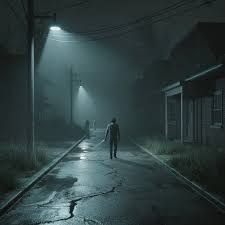
Silent Hill is more than a horror video‑game franchise — it is a cultural phenomenon, a psychological journey, and a dark mirror into the human mind. For decades, it has drawn in players not with cheap jump scares but with creeping dread, oppressive atmosphere, and deeply symbolic horror. Because of its complexity — shifting realities, metaphorical monsters, moral ambiguity, and ambiguous endings — Silent Hill can be as puzzling as it is terrifying. That’s where a detailed “Guía Silent Hill Geekzilla” becomes invaluable: it serves as a compass through the fog and nightmares, helping both newcomers and longtime fans understand the lore, mechanics, themes, and hidden layers of meaning that make Silent Hill unique. This guide aims to map out the essential aspects: the world, the horror, the psychology, the gameplay tips, and how to approach the series so you derive maximum appreciation — and survive the nightmares.
1. The Origins: What Is Silent Hill — History, Concept, and Horror Roots
The Silent Hill series began in 1999 with the first game, developed by Team Silent under the publisher Konami. Wikipedia+2Wikipedia+2 From the outset, Silent Hill set itself apart from other survival‑horror games by eschewing traditional monster‑shooting or action‑horror tropes and instead embracing psychological horror, atmosphere, unsettling sound design, and a sense of pervasive dread. The Guardian+2Wikipedia+2
The town of Silent Hill — the fictional, fog‑shrouded location where most stories unfold — becomes a character itself. By day (or in some story states), it might appear like an abandoned town; but as reality distorts, fog descends, and “Otherworld” layers emerge, the town warps into an oppressive, nightmarish landscape full of decaying buildings, rust, blood, shifting geometry, and monstrous manifestations. Horror News | HNN+2GameGrin+2
The creative inspirations for Silent Hill draw heavily from psychological horror, surrealism, and horror cinema — not merely slasher horror. Influences include unsettling, avant‑garde horror traditions (both Western and Japanese), manifesting not in predictable jump‑scares but in dread, ambiguity, symbolism, and the gradual unraveling of one’s psyche. The Guardian+2Horror News | HNN+2
Thus, Silent Hill laid the foundation for horror as psychological experience: fear rooted not just in external monsters or gore, but in guilt, trauma, memory, identity, mental breakdown and existential dread.
2. What Makes a “True” Silent Hill Experience — Core Themes, Tone, and Mechanics
When we talk about a “real” Silent Hill game or story, there are recurring core elements and mechanics that define the experience:
Psychological horror over gore
Rather than relying purely on blood, violence, or explicit horror, Silent Hill builds fear through mood, ambiguity, and the uncanny. The monsters, environments, and music are designed to evoke discomfort, anxiety, and existential unease. The Guardian+2Toxigon+2
Fog, Otherworld and shifting reality
Silent Hill is renowned for its shifting dimensions. Players often encounter a “Fog World” or relatively benign environment, which morphs — via air‑raid sirens, environmental cues, or internal psychological triggers — into the “Otherworld”: an industrial, decaying, bloody nightmare where monsters roam and reality is distorted. Horror News | HNN+2Toxigon+2
Inner demons made manifest
Monsters in Silent Hill often aren’t just monsters — they are physical manifestations of characters’ guilt, fears, suppressed trauma, or internal emotional states. The horror becomes deeply personal and symbolic, which makes every encounter more disturbing. Top Spot Magazine+2GameRant+2
Atmosphere, sound, and subtle storytelling
Sound design, music, and environment play a crucial role: ambient noise, static‑radio signals indicating nearby danger, uncanny silence, dim lighting, and disturbing architecture all contribute to psychological discomfort. Silent Hill rarely spells everything out — much is revealed via notes, lore fragments, ambiguous dialogue, and player interpretation. GameGrin+2Toxigon+2
These recurring elements define the “vibe” of Silent Hill and distinguish it from horror games that lean on action or gore. A “Guía Silent Hill Geekzilla” aims to help readers recognise, analyze, and appreciate these elements.
3. Understanding the Town: Silent Hill as a Character and Its Dark History
Any effective Silent Hill guide must begin with the town itself — because the town is not just a backdrop, but a living, shifting entity. The in‑fiction history of Silent Hill often involves supernatural occurrences, cultist rituals, occult influences, and a legacy of trauma embedded in the soil, buildings, and memory of the town. This history — often hinted at, never fully explained — underpins much of the horror you experience. Vents Magazine+2Horror News | HNN+2
The constant fog, abandoned streets, decaying buildings, and intermittent brief glimpses of normalcy all contribute to a sense of disorientation and dread. In many ways, Silent Hill reflects the fears, guilt, and subconscious traumas of anyone brave (or unlucky) enough to enter. The town warps depending on who’s inside and what they carry internally: personal guilt becomes physical form, memories loop or distort, and nightmares become reality.
Understanding this dynamic is essential: the horror in Silent Hill isn’t just external monsters — it’s often internal conflict, manifested externally by a twisted town. An effective guide will map out major locations, recurring symbols (fog, sirens, blood, rust, alternate dimensions), and explain how they tie back to fear, memory, trauma, and identity.
4. The Monsters, Symbols, and What They Mean — Decoding Silent Hill’s Horror Imagery
One of the most compelling aspects of Silent Hill is its monster and symbol design. Creatures are rarely generic zombies — they are wrapped in symbolism, often representing guilt, repressed sexuality, trauma, fear of illness or bodily horror, and moral guilt. A good guide examines common enemies and their likely symbolic meaning (in line with what fan communities, critics, or even developers have suggested).
For example: the distorted nurses or doctors often reflect anxieties about sickness, medical trauma, vulnerability, or bodily corruption. The grotesque “otherworld” architecture — rusted, decaying, flesh‑colored walls — evokes bodily horror and decay, a classic feature of psychological & body horror. Top Spot Magazine+2Horror News | HNN+2
Bosses or major antagonists tend to carry heavy symbolic weight: guilt made flesh, punishment, inner demons, or traumatic memories. Interpreting these symbols deepens the horror — turning every enemy into a psychological riddle, rather than a simple monster. A guide like this helps players to decode horror beyond surface‑level fear — transforming the game into a meaningful experience about trauma, regret, identity, and redemption.
5. Recommended Play Order and Which Games to Start With — Guide Version from Geekzilla
For newcomers, Silent Hill can be disorienting — both narratively and tonally. A “Geekzilla” guide should offer a recommended play order and some advice on where to begin.
Why order matters
Because Silent Hill games vary in quality, story connection, tone, and design, starting with the originals helps ground you in the core themes and atmosphere that define the series. The original 1999 game remains the bedrock of the franchise. Wikipedia+2GameGrin+2
From there, the early 2000s sequels (especially the ones developed by Team Silent) preserve the psychological horror, symbolism, and sense of dread that many fans value most. Later entries shift direction — some lean more action‑ or plot‑driven, some change tone or design.
Suggested entry path
-
Start with the original game (1999) — to experience the foundational atmosphere and original vision.
-
Then proceed to early classics (e.g. Silent Hill 2, 3, or 4 depending on availability and your comfort with horror) — these deepen the lore, horror, and emotional weight.
-
If you wish, explore later entries or spin‑offs — but with awareness that shifts in tone or style may affect the “pure” Silent Hill feel.
-
Treat each as its own “psychological case study” — focus on story, atmosphere, interpretation, not just scares or action.
This path ensures a gradual immersion into Silent Hill’s worldview, rather than a rushed or disjointed experience.
6. Tips and Strategies for Playing Silent Hill — How to Survive the Fog and Nightmares
Playing Silent Hill isn’t just about bravery — it demands strategy, patience, and a willingness to engage with atmosphere more than action. A “Geekzilla”‑style guide should offer practical tips:
-
Preserve your wits, not just ammo or weapons — often stealth, avoidance, psychological resilience matter more than fighting.
-
Use audio and visual cues — radio static, environmental clues, changes in lighting or music frequently signal impending danger. Pay attention to them instead of relying only on HUD or maps.
-
Explore thoroughly — Silent Hill rewards careful exploration, reading notes, environmental storytelling. Many secrets, lore pieces, or alternate endings depend on small discoveries.
-
Manage resources carefully — limited ammo, scarce saves, and monstrous enemies make every decision important. Rushing often leads to panic and mistakes.
-
Interpret, don’t just react — when the horror becomes symbolic or surreal, pause to reflect. Sometimes the fear is psychological — understanding it can be more powerful than weapons.
These strategies help players get the most out of the Silent Hill experience — not just surviving, but engaging meaningfully with the game’s themes.
7. The Evolution of Silent Hill: From Team Silent to Modern Titles, and What Changed
Over time, the developers, tone, and design of Silent Hill games have evolved. The initial entries (1999–early 2000s) by Team Silent defined the series’ signature psychological horror, foggy atmosphere, uncertainty, and symbolic horror. Wikipedia+2Wikipedia+2
As the series expanded, with different studios taking over, some entries moved toward different horror tropes, sometimes including action‑oriented gameplay, more linear storytelling, or even diverging from the original tone. This evolution reflects changing gaming trends, technological capabilities, and market demands. Yet, for many fans, the early titles remain the purest embodiment of what Silent Hill was meant to be. Wikipedia+2Attack of the Fanboy+2
A modern guide must therefore help readers navigate this evolution: which titles preserve the original spirit, which ones experiment, and how to approach them with appropriate expectations.
8. Silent Hill’s Legacy — Influence on Horror Games, Media, and Psychological Horror
Silent Hill didn’t just spawn sequels — it shaped horror gaming and influenced countless later titles, media, and horror design philosophies. By focusing on psychological horror, atmosphere, inner demons, and environmental storytelling, it proved that horror games could be emotionally complex, symbolically rich, and deeply unsettling — not just scary for shock’s sake. The Guardian+2The Gamer+2
Games that followed, inspired by Silent Hill’s success, borrowed its emphasis on dread, ambiguity, and psychological tension rather than over-the-top violence. Many indie horror games, cinematic horror titles, and even some mainstream horror franchises cite Silent Hill as a key influence. The Gamer+1
Beyond gaming, Silent Hill’s themes — trauma, guilt, mental illness, alternate realities — have resonated in film, literature, and fan culture. It opened the door for horror that doesn’t rely solely on external monsters, but explores inner turmoil, regret, fear, and the fragility of human psyche. For many fans, Silent Hill remains the benchmark of what horror can be: personal, philosophical, terrifying, and haunting long after the screen goes dark.
9. Common Misconceptions and Pitfalls — What a Geekzilla Guide Warns You About
Because Silent Hill often trades in ambiguity, surreal horror, and symbolic storytelling, it’s easy to misunderstand or misinterpret key aspects. A guide should highlight some common pitfalls:
-
Not all entries are equal — newer games or spin‑offs may diverge significantly in tone or quality. Expect variance.
-
You may not “get” the horror if you demand explicit explanations — much of Silent Hill’s power lies in what’s unsaid, obscured, implied. Over-examining or seeking literal logic can undercut the horror.
-
Replay with attention — the first time, fear distracts; only on subsequent playthroughs can you catch symbolism, hidden meanings, and thematic depth.
-
Don’t judge purely on scares — some horror arises from emotional discomfort, existential dread, or unsettling atmosphere, which may not hit like a jump scare but linger psychologically.
-
Take breaks — horror fatigue is real — Silent Hill aims to unsettle, disturb, and challenge. Sometimes the best way to appreciate it is to step back, reflect, and return with a calm mind.
Understanding these caveats helps manage expectations and allows players to appreciate Silent Hill on its own terms.
10. How to Approach Silent Hill Today — New Players, Returning Fans, and the Evolving Horror Landscape
If you’re new to Silent Hill: treat it as a journey, not a shooter. Start slow, absorb the atmosphere, embrace ambiguity. Don’t demand answers — let the game unsettle you. Play with headphones, dim lights, and patience.
If you’re a returning fan: use a guide (like this Geekzilla one) to revisit old entries with fresh eyes — focus on lore, symbolism, psychological horror, not just nostalgia. Compare different games, notice how themes evolve, and reflect on what the horror means beyond the screen.
If you appreciate horror generally: study Silent Hill as a master class in psychological horror design — how atmosphere, sound, environment, symbolism and narrative intertwine to create lasting fear. And remember: much of the horror comes from what you bring in — guilt, fear, memory, regret — not just what the game shows.
Frequently Asked Questions (FAQ)
1. What is Silent Hill?
Silent Hill is a survival‑horror video‑game series first released in 1999, developed originally by Team Silent and published by Konami. It’s known for psychological horror, atmospheric design, symbolic monsters, and shifting dimensions rather than straightforward action horror. Wikipedia+2Wikipedia+2
2. Why is the town of Silent Hill so important to the horror?
Because the town is more than a backdrop — it’s a living, shifting entity that reflects characters’ inner psyches, fears, guilt, and trauma. The environment itself becomes a character, warping reality, altering dimensions, and manifesting nightmares.
3. Are all Silent Hill games the same in tone and quality?
No. While early entries defined the core tone (psychological horror, atmosphere, ambiguity), later titles or spin‑offs sometimes diverge — in gameplay, design, horror style, and narrative focus. It’s helpful to approach each individually rather than expect uniformity.
4. What makes a “monster” in Silent Hill symbolic rather than just scary?
Many monsters represent internal conflict, guilt, trauma, repressed fears or desires. Their distorted forms, grotesque anatomy, and behavior often reflect deeper psychological themes, not just horror for horror’s sake.
5. Can I enjoy Silent Hill without understanding all symbolism?
Yes — but the experience is richer if you allow space for interpretation and emotional engagement. The horror often works on subconscious, symbolic levels.
6. What’s a good recommended play order for Silent Hill?
Start with the original game (1999) to experience the foundational horror. Then move through early sequels that preserve tone and atmosphere. Approach later entries or spin‑offs with open expectations.
7. How should I approach horror games with heavy psychological horror like Silent Hill?
Use caution — horror fatigue is real. Play in comfortable conditions (lighting, sound), take breaks, reflect after sessions. Engage with the narrative and themes rather than only seeking scares.
Conclusion: What the Guía Silent Hill Geekzilla Leaves Us With
Silent Hill is not just a horror franchise — it is a psychological mirror, a complex narrative experiment, and one of the most enduring, influential explorations of fear, guilt, memory, and human frailty in video‑gaming history. Its power lies not only in monsters and foggy towns, but in how it forces players to confront inner darkness, moral ambiguity, pain, regret, and existential dread.
A “Guía Silent Hill Geekzilla” serves as both a map and a lens: a map to help navigate the fog, shifting realities, monsters, and multiple game entries; and a lens to interpret the horror — to see beyond screams and jump‑scares, to the emotional core hidden beneath the fog.
Whether you are a newcomer entering the town for the first time, a long‑time fan returning for new insights, or someone exploring horror as art and psychology, Silent Hill offers a haunting journey unlike any other. And with the right guide — respect for its themes, patience for its pace, openness to its ambiguity — you may find that the real horror was never in the monsters, but in the mind.
