
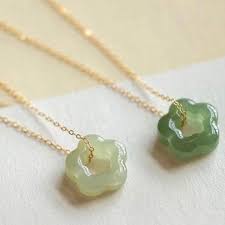
The jadeitový kameň, known in English as jade, is a gemstone celebrated for its beauty, rarity, and historical significance. For thousands of years, jade has been valued not only as a decorative stone but also as a symbol of spiritual, cultural, and social importance. Found primarily in shades of green, though also occurring in white, lavender, and other hues, jade has captivated civilizations across the globe.
In ancient societies, jade was often more valuable than gold, representing purity, immortality, and divine protection. Its physical properties—durability, smooth texture, and vibrant color—made it ideal for carving into jewelry, ritual objects, and ornamental items. Today, jadeitový kameň continues to hold a significant place in jewelry, art, and metaphysical practices, with collectors, artisans, and spiritual practitioners all recognizing its unique qualities. This article explores the origins, types, cultural significance, uses, and modern relevance of jadeitový kameň, offering a comprehensive understanding of this remarkable gemstone.
1. The History and Origins of Jadeitový Kameň
Jade has a storied history that dates back thousands of years, with archaeological evidence of its use in ancient China, Mesoamerica, and New Zealand. In China, jade was prized as a symbol of nobility and moral integrity, often used in burial rites and ceremonial artifacts. Jadeite, the rarer form of jade, was sourced primarily from Myanmar (Burma) and became highly coveted in trade networks.
Throughout history, jadeitový kameň has been associated with power, wealth, and spiritual significance. The stone’s durability and ability to be finely carved allowed artisans to create intricate objects, from ceremonial blades and figurines to ornate jewelry and decorative items. Its historical use highlights not only aesthetic appreciation but also the symbolic and ritualistic roles that jade played in shaping cultural and spiritual practices across civilizations.
2. Types and Varieties of Jade
Jadeitový kameň is primarily categorized into two mineral types: jadeite and nephrite. Jadeite is rarer, with more vivid colors such as emerald green, lavender, white, and red, while nephrite tends to be creamier, softer, and found in shades of green, grey, or white. Both types are prized for their toughness and smooth texture, though jadeite commands a higher market value due to its rarity and vibrant hues.
The quality of jade is determined by its color, translucency, and texture. High-quality jadeite can be translucent and exhibit a bright, saturated color, while lower-grade jade may be opaque or have less intense coloration. Collectors and artisans often prioritize fine jadeite for jewelry, carvings, and investment purposes, while nephrite is frequently used for decorative objects, sculptures, and ornamental pieces.
3. Cultural Significance of Jadeitový Kameň
In many cultures, jadeitový kameň is more than just a decorative stone; it carries deep spiritual, symbolic, and cultural meanings. In Chinese culture, jade symbolizes immortality, protection, and moral virtue. Wearing jade is believed to attract good fortune, ward off negative energy, and maintain balance in life. Jade carvings often depict animals, deities, or symbolic objects, each carrying specific meanings.
In Mesoamerican cultures, jade represented life, fertility, and power. It was often buried with leaders as a symbol of eternal life and spiritual continuity. Similarly, the Maori people of New Zealand valued jade (known as pounamu) as a sacred stone, using it for tools, weapons, and ornaments imbued with ancestral significance. Across cultures, jadeitový kameň has consistently been revered as a stone of protection, status, and spiritual connection.
4. Uses of Jade in Jewelry and Art
Jadeitový kameň is widely used in jewelry, ranging from rings, bracelets, and necklaces to elaborate carvings and beads. Its smooth texture and range of colors make it highly versatile for various artistic applications. Carved jade pendants, bangles, and earrings remain popular in modern fashion, with artisans combining traditional techniques with contemporary designs.
Beyond jewelry, jade is used in decorative art pieces, sculptures, and ornamental objects. Master craftsmen can create intricate carvings, such as dragons, lotus flowers, and mythical figures, showcasing the stone’s natural beauty and workability. The combination of aesthetic appeal and symbolic meaning makes jadeitový kameň highly sought after by collectors and art enthusiasts alike.
5. Metaphysical and Healing Properties
Many spiritual practitioners believe that jadeitový kameň carries metaphysical properties that promote harmony, balance, and well-being. It is often associated with heart chakra healing, emotional stability, and attracting prosperity. Wearing or meditating with jade is thought to encourage patience, calmness, and protection from negative influences.
Historically, jade was also believed to have protective properties for travelers and warriors, and to support physical health. While scientific evidence for these claims is limited, the cultural and psychological significance of jade as a healing and protective stone remains influential across various spiritual traditions.
6. How to Identify Genuine Jadeitový Kameň
Identifying authentic jadeitový kameň requires careful observation and, sometimes, professional evaluation. Genuine jadeite and nephrite are tough, dense, and cold to the touch. They should have a smooth, almost waxy surface when polished. Common tests include scratch tests, specific gravity measurements, and refractive index analysis.
Be cautious of treated or imitation jade, which may be dyed, glass-filled, or artificially enhanced to mimic natural color and translucency. Reputable sellers and gemological certification are essential for ensuring the authenticity and quality of jadeitový kameň, especially for investment purposes or high-value jewelry pieces.
7. Caring for Jadeitový Kameň
Proper care preserves the beauty and integrity of jadeitový kameň. While durable, jade can be scratched or damaged by harsh chemicals, abrasive materials, or extreme temperatures. Cleaning with mild soap, warm water, and a soft cloth is recommended. Avoid exposing jade to prolonged sunlight or harsh chemicals, which can affect its color and luster.
Storing jade separately from other jewelry items prevents scratches and accidental damage. Regular inspection and gentle polishing help maintain its natural sheen. Proper care ensures that jade retains its symbolic, aesthetic, and financial value over generations.
8. Investment and Market Value
High-quality jadeitový kameň, especially jadeite with vibrant colors and high translucency, is highly valuable in global markets. Auction records show that rare jadeite pieces can fetch millions, reflecting their scarcity, craftsmanship, and cultural importance. Collectors often seek investment-grade jade as a combination of aesthetic beauty, historical significance, and financial security.
Market value is influenced by factors such as origin, color saturation, translucency, size, and craftsmanship. Myanmar jadeite is particularly prized, while nephrite tends to be more affordable yet remains culturally and artistically significant. Understanding market dynamics is essential for collectors, investors, and enthusiasts looking to acquire genuine jadeitový kameň.
Frequently Asked Questions (FAQ)
1. What is jadeitový kameň?
Jadeitový kameň, or jade, is a precious gemstone valued for its beauty, durability, and cultural significance. It comes in two primary types: jadeite and nephrite.
2. Where is jadeitový kameň found?
Jadeite is mainly sourced from Myanmar, while nephrite is found in China, New Zealand, Russia, and Canada.
3. What are the spiritual properties of jade?
Jade is believed to promote harmony, emotional balance, protection, and prosperity. It is often associated with heart chakra healing.
4. How can I tell if jade is real?
Genuine jade is dense, smooth, and cold to the touch. Professional gemological testing is recommended for high-value jade.
5. How should I care for jadeitový kameň?
Clean jade gently with warm water and mild soap, avoid harsh chemicals, and store it separately to prevent scratches or damage.
Conclusion
Jadeitový kameň is a gemstone that embodies beauty, history, and cultural significance. From its origins in ancient civilizations to its modern use in jewelry, art, and spiritual practices, jade remains a symbol of purity, protection, and prosperity. Its durability, aesthetic appeal, and metaphysical properties have ensured its continued relevance across generations. Whether appreciated for its artistic craftsmanship, worn for personal protection, or collected as an investment, jadeitový kameň continues to fascinate and inspire, connecting people to the natural world, cultural heritage, and spiritual tradition.
