
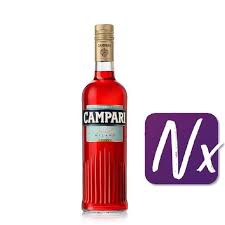
Bitter liquors, known in Thai as “เหล้า บิต เตอร์”, occupy a unique niche in the world of spirits. Unlike sweet or neutral liquors, bitter liquors are characterized by their strong herbal or botanical flavors and pronounced bitterness. Traditionally, these spirits have been used for medicinal purposes, as digestifs to aid digestion after meals, and in modern times as essential ingredients in cocktails. Across cultures, from European amaro to Asian herbal infusions, bitter liquors have a storied history that blends gastronomy, medicine, and social rituals. In Thailand and other Southeast Asian countries, bitter liquors often carry cultural significance, reflecting centuries of herbal knowledge and local distillation techniques. This article explores the origins of bitter liquors, their types and production methods, cultural significance, culinary and cocktail applications, health considerations, and contemporary trends, alongside a comprehensive FAQ and conclusion.
1. Origins of Bitter Liquors
The history of bitter liquors dates back to ancient civilizations where herbs and botanicals were infused in alcohol for medicinal purposes. European traditions, such as Italian amaro, French liqueurs like Gentiane, and German Kräuterlikör, all evolved from apothecary recipes intended to aid digestion, cure ailments, or serve as tonics. In Southeast Asia, local herbal infusions were distilled into bitter spirits, often containing indigenous roots, bark, seeds, and spices. These early concoctions were used both medicinally and recreationally, forming the foundation for what we now recognize as bitter liquors.
The underlying philosophy was simple: bitterness stimulates digestion, cleanses the palate, and, in some cases, promotes health. As societies became more sophisticated, the herbal infusions were refined into commercially produced spirits, balancing the bitter profile with sweetness, alcohol strength, and aroma to make them more palatable while retaining their traditional benefits.
2. Types of Bitter Liquors
Bitter liquors are diverse, with each type reflecting a unique combination of herbs, botanicals, and production methods. Common categories include:
-
Amaro: Italian bitter liqueurs often enjoyed as digestifs. They vary in bitterness and sweetness depending on the herbs used.
-
Herbal Bitters: Small bottles of highly concentrated bitter herbs, traditionally used in cocktails. Examples include Angostura and Peychaud’s bitters.
-
Asian Herbal Spirits: Spirits infused with local medicinal herbs, roots, and spices, such as ginseng or turmeric. These are sometimes consumed for both flavor and health benefits.
-
Digestive Bitters: Designed to be consumed after meals, often with a balance of bitter, sweet, and aromatic notes.
Each type of bitter liquor has a specific flavor profile, ranging from mildly bitter to intensely aromatic and herbal. The combination of bitterness, aroma, and sweetness is carefully calibrated to enhance the drinking experience while providing digestive benefits.
3. Production Methods
Bitter liquors are made through a combination of maceration, infusion, distillation, and sometimes aging. Typically, botanicals such as herbs, roots, barks, seeds, and spices are soaked in a base alcohol to extract their flavors and active compounds. The resulting infusion may then be sweetened, diluted, or blended to achieve the desired taste profile.
Some artisanal producers age bitter liquors in barrels to soften harsh flavors and create complexity. This step can introduce additional notes, such as woodiness, vanilla, or caramel, which complement the herbal bitterness. In Thailand and Southeast Asia, local production may use rice, sugarcane spirits, or neutral grain alcohol as the base, reflecting local agricultural resources and traditional distillation methods. Modern production often combines traditional herbal recipes with contemporary techniques to ensure consistency, hygiene, and market appeal.
4. Cultural and Social Significance
Bitter liquors hold cultural significance in many societies. In Europe, digestifs are an essential part of dining rituals, consumed after meals to aid digestion and mark the transition from food to conversation. In Asia, herbal spirits are sometimes linked to traditional medicine practices and are consumed during festivals, ceremonies, or social gatherings.
In Thailand, bitter liquors are not only consumed as beverages but also appreciated for their perceived medicinal qualities. They are often gifted or shared in social contexts, symbolizing hospitality, care, and refinement. The consumption of bitter liquors can thus reflect a blend of cultural heritage, social etiquette, and culinary appreciation. Understanding these traditions allows us to appreciate bitter liquors not just as spirits but as carriers of cultural identity and historical continuity.
5. Culinary and Cocktail Applications
Bitter liquors play a crucial role in both culinary arts and mixology. In cooking, they can be used to enhance sauces, marinades, or desserts, adding depth and complexity to flavors. In cocktails, bitters are indispensable: a dash of Angostura can transform a simple mix into a balanced and aromatic drink. Classic cocktails such as the Old Fashioned, Manhattan, and Negroni rely on bitters to provide structure and balance.
For bartenders and home enthusiasts alike, understanding how to use bitter liquors effectively is key. The quantity must be carefully controlled, as excessive bitterness can overwhelm other flavors. Pairing with complementary ingredients like citrus, sugar, or aromatic spirits can highlight the herbal notes while creating a harmonious taste experience.
6. Health Considerations
Historically, bitter liquors were believed to support digestion, stimulate appetite, and improve overall well-being. Modern science recognizes that many herbs used in bitter liquors contain antioxidants, essential oils, and bioactive compounds. However, the alcohol content means that consumption should be moderate. Excessive intake can lead to negative health effects, including liver stress, dehydration, and impaired cognitive function.
Individuals with specific health conditions, such as gastrointestinal disorders, should consult medical guidance before regular consumption. In moderate amounts, bitter liquors can provide a pleasurable and culturally rich experience while maintaining health awareness.
7. Modern Trends and Global Popularity
Bitter liquors have seen a resurgence in popularity in recent years, fueled by craft cocktail culture, artisanal production, and global interest in herbal remedies. Younger consumers are exploring these traditional spirits as alternatives to mainstream liquors, appreciating their complexity, unique flavors, and historical narratives. Brands are experimenting with innovative botanicals, exotic spices, and fusion flavors to cater to adventurous palates.
The subscription model for artisanal bitters and boutique spirits is also gaining traction, allowing enthusiasts to sample new flavors regularly. Social media and culinary influencers are further promoting bitter liquors as essential elements of sophisticated dining and mixology.
FAQ
1. What is “เหล้า บิต เตอร์” (Bitter Liquor)?
It is a type of alcoholic beverage infused with herbs, roots, and botanicals to create a bitter, aromatic flavor. Traditionally, it is consumed for its digestive or medicinal properties.
2. How is it different from regular liquor?
Unlike standard liquors, bitter liquors are specifically characterized by their strong herbal or bitter notes, often balanced with sweetness or alcohol strength to make them palatable.
3. Can bitter liquors be used in cocktails?
Yes, they are essential in mixology. Bitters like Angostura or herbal liqueurs are used in cocktails to provide balance, depth, and aromatic complexity.
4. Are bitter liquors healthy?
In moderation, they may support digestion and provide bioactive compounds from herbs. Excessive alcohol consumption negates potential benefits, so moderation is key.
5. How should I store bitter liquors?
Store them in a cool, dark place, away from direct sunlight. Proper sealing preserves flavor and prevents evaporation of volatile compounds.
6. Can I make bitter liquor at home?
Yes, by infusing alcohol with herbs, roots, and spices, though attention must be paid to hygiene, alcohol content, and taste balance.
Conclusion
Bitter liquors, or เหล้า บิต เตอร์, represent a fascinating intersection of tradition, culture, and modern mixology. With origins in medicinal and digestive practices, they have evolved into sophisticated beverages appreciated globally for their herbal complexity, aroma, and versatility. From European amaro to Asian herbal spirits, bitter liquors tell a story of human ingenuity, taste exploration, and cultural heritage. For enthusiasts, they offer opportunities to explore new flavors, enrich dining and cocktail experiences, and engage with centuries-old traditions. Consumed responsibly, bitter liquors provide not only a unique sensory experience but also a window into the cultural practices that shaped their development.
