
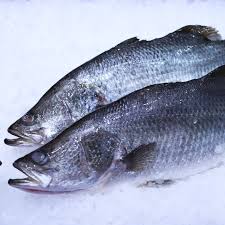
Barramundi (Lates calcarifer) is a species of fish renowned for its size, sporting ability, and culinary versatility. Native to the Indo-West Pacific region, including northern Australia, Southeast Asia, and parts of the Indian Ocean, barramundi is an anadromous species, meaning it can migrate between freshwater and saltwater during its life cycle. Known as the “Asian sea bass” in some regions, barramundi has become a favorite among recreational anglers, commercial fishers, and chefs alike. Its firm, white flesh is prized in culinary circles for its mild flavor, making it ideal for a variety of cooking methods, from grilling and frying to steaming and baking. Beyond its gastronomic appeal, barramundi plays a significant role in local ecosystems and fisheries, contributing both ecologically and economically. This article explores barramundi’s biology, habitat, behavior, fishing techniques, culinary uses, health benefits, aquaculture, and conservation, offering a comprehensive guide for enthusiasts, fishers, and seafood lovers.
1. Taxonomy and Classification
Barramundi belongs to the family Latidae and is scientifically named Lates calcarifer. It is part of the Perciformes order, which includes perch-like fishes. Barramundi is closely related to other sea bass species, but its unique life cycle, adaptability to both freshwater and saltwater, and distinctive physical characteristics set it apart. Understanding its taxonomic classification is essential for fisheries management, ecological research, and aquaculture practices. Barramundi’s classification also helps differentiate it from similar species in the Indo-Pacific region, ensuring sustainable fishing and proper culinary labeling.
2. Physical Characteristics and Identification
Barramundi is recognized for its elongated body, silver scales, and large mouth, which allows it to prey on smaller fish and crustaceans effectively. Adults can grow up to 1.8 meters (6 feet) in length and weigh more than 60 kilograms (130 pounds), although typical catches are usually smaller. One unique feature of barramundi is its ability to change sex during its life cycle: they are born male and transform into females as they mature, a process known as protandry. This adaptive reproductive strategy ensures population resilience and adds complexity to the species’ biology. Its appearance changes slightly between freshwater and saltwater environments, with some color variation depending on habitat conditions, age, and diet.
3. Habitat and Geographic Distribution
Barramundi are found across northern Australia, Southeast Asia, and parts of the Indian Ocean. They inhabit estuaries, rivers, coastal lagoons, and mangrove-lined waterways, thriving in both freshwater and saltwater environments. Juveniles typically prefer freshwater habitats such as rivers and floodplains, while adults migrate to brackish or coastal areas to spawn. Barramundi’s adaptability allows them to survive in diverse ecosystems, but they require specific environmental conditions, such as water temperature, salinity, and oxygen levels, for optimal growth and reproduction. Their geographic distribution and habitat preferences are vital considerations for fisheries management, recreational fishing, and aquaculture development.
4. Life Cycle and Reproduction
Barramundi have a complex life cycle involving migration between freshwater and saltwater. They spawn in estuarine or coastal areas during the wet season, releasing eggs that float in brackish waters. Fertilized eggs hatch into larvae, which gradually move upstream into freshwater rivers and floodplains as juveniles. After several years of growth, barramundi return to coastal or estuarine waters to reproduce. Their protandrous sex change—starting life as males and later transforming into females—ensures that larger, older individuals contribute more effectively to the population’s reproductive success. This life cycle underscores the importance of preserving both freshwater and coastal habitats to maintain healthy barramundi populations.
5. Feeding Habits and Diet
Barramundi are opportunistic predators, feeding primarily on smaller fish, prawns, crustaceans, and insects. Juveniles tend to consume plankton and small invertebrates, gradually transitioning to larger prey as they grow. Their aggressive feeding behavior makes them popular among sport fishers, as they readily strike lures and live bait. The species’ diet also contributes to the firm, mild flavor of their flesh, which is highly valued in culinary applications. Understanding feeding habits is essential for effective aquaculture, recreational fishing strategies, and conservation planning, ensuring that barramundi populations have access to adequate food sources throughout their life stages.
6. Barramundi as a Game Fish
Barramundi is one of Australia’s most iconic sport fish, prized for its powerful strikes, acrobatic jumps, and strong fighting ability. Recreational anglers use a variety of techniques to catch barramundi, including lure fishing, fly fishing, and bait fishing. Key considerations for sport fishing include understanding seasonal migrations, tidal movements, water conditions, and habitat preferences. Catch-and-release practices are widely encouraged to ensure sustainable fishing, particularly during the spawning season. Barramundi fishing tournaments are popular in Australia and Southeast Asia, attracting enthusiasts who seek both the challenge and thrill of landing these impressive fish.
7. Culinary Uses and Preparation
Barramundi is highly valued in the culinary world for its mild, buttery flavor and firm, moist texture. Its flesh is low in mercury, rich in protein, and versatile, making it suitable for grilling, frying, steaming, baking, and poaching. Popular dishes include pan-seared barramundi with lemon butter, Thai-style steamed barramundi with herbs, and barramundi tacos. The fish’s culinary versatility has contributed to its growing popularity in restaurants and households worldwide. Chefs appreciate its ability to absorb flavors while maintaining a delicate texture, making it a favorite for both casual and gourmet meals.
8. Nutritional Benefits and Health Considerations
Barramundi is considered a nutritious choice for a healthy diet. It is high in omega-3 fatty acids, which support heart health, reduce inflammation, and contribute to brain function. It is also rich in protein, vitamin D, and essential minerals such as selenium and potassium. Compared to other large fish, barramundi has lower mercury levels, making it a safer option for regular consumption. Including barramundi in the diet can promote overall wellness, support weight management, and provide essential nutrients for maintaining optimal health.
9. Aquaculture and Sustainable Farming
Barramundi has become an important species for aquaculture due to its adaptability, fast growth, and market demand. Fish farms in Australia, Southeast Asia, and the United States raise barramundi in controlled environments using recirculating systems, ponds, and cages. Sustainable aquaculture practices focus on minimizing environmental impact, preventing disease, and ensuring high-quality flesh. Research on feed optimization, breeding, and water management has contributed to the success of barramundi farming, making it a viable and environmentally responsible source of protein. Sustainable aquaculture also supports local economies and reduces pressure on wild populations.
10. Conservation Status and Environmental Impact
While barramundi are not currently considered endangered, overfishing, habitat loss, and environmental degradation pose threats to wild populations. Mangrove deforestation, water pollution, and climate change can disrupt spawning and juvenile development, affecting population stability. Conservation efforts include regulating fishing seasons, enforcing size limits, promoting catch-and-release practices, and restoring critical habitats such as mangroves and estuaries. Public awareness and responsible consumption are essential to ensuring that barramundi populations remain abundant for future generations, maintaining both ecological balance and economic benefits.
Frequently Asked Questions (FAQ) About Barramundi
1. What is barramundi?
Barramundi (Lates calcarifer) is a large, anadromous fish native to Australia, Southeast Asia, and the Indo-Pacific, known for its culinary and sporting value.
2. Where does barramundi live?
It inhabits rivers, estuaries, coastal lagoons, and mangrove-lined waterways, thriving in both freshwater and saltwater environments.
3. How big can barramundi grow?
Adults can reach up to 1.8 meters in length and weigh over 60 kilograms, although most caught fish are smaller.
4. What does barramundi eat?
Juveniles feed on plankton and small invertebrates, while adults prey on smaller fish, prawns, crustaceans, and insects.
5. Is barramundi good for eating?
Yes, it is mild-flavored, firm, low in mercury, and rich in protein and omega-3 fatty acids.
6. Can barramundi be farmed?
Yes, barramundi is widely raised in aquaculture with sustainable practices to meet market demand.
7. Is barramundi endangered?
Currently, it is not endangered, but overfishing and habitat loss can threaten wild populations.
Conclusion: Barramundi – A Fish of Ecological, Culinary, and Cultural Importance
Barramundi is a remarkable species that combines ecological significance, culinary versatility, and recreational value. Its unique life cycle, adaptability, and nutritional benefits make it a valuable resource for both the environment and human society. By promoting sustainable fishing, responsible aquaculture, and habitat conservation, barramundi can continue to thrive in the wild and on our plates. Whether pursued by anglers, enjoyed by chefs, or studied by marine biologists, barramundi remains an iconic fish whose importance extends far beyond its size and flavor, symbolizing the rich biodiversity and cultural heritage of the regions it inhabits.
