
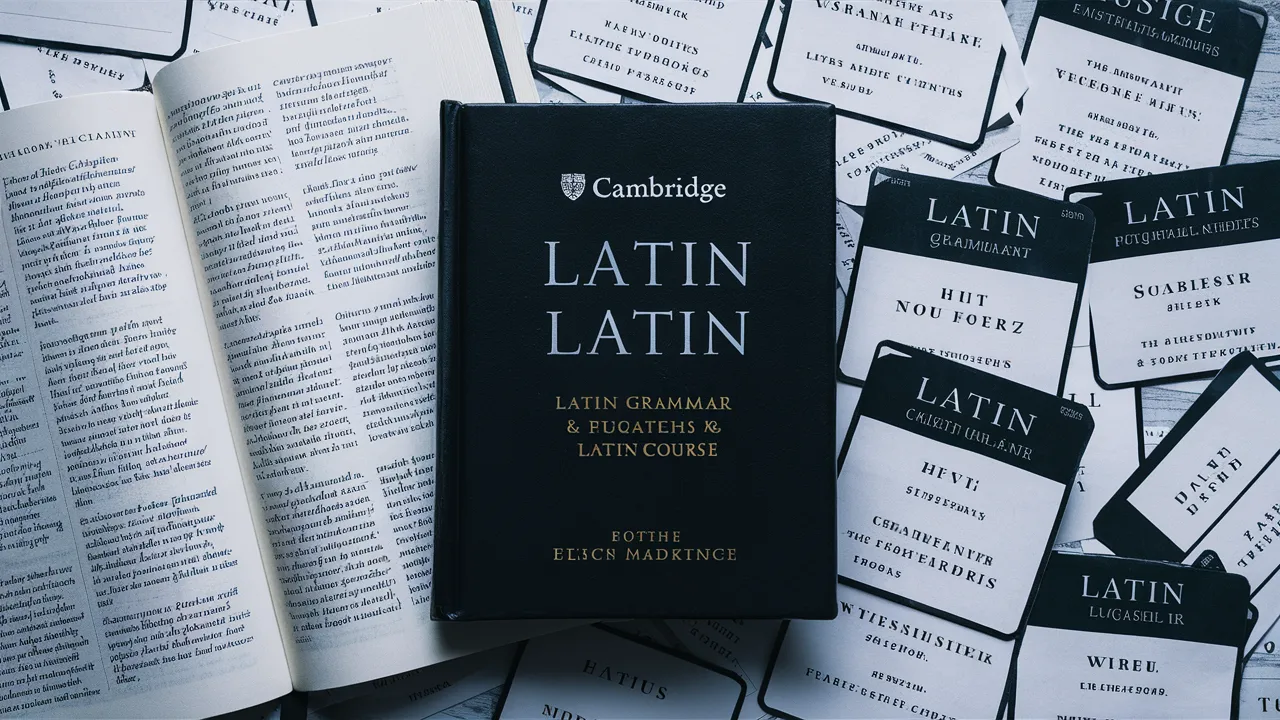
The Cambridge Latin Course has become one of the most widely used and respected resources for learning Latin across schools and independent study environments. Designed to make Latin accessible, engaging, and meaningful, this course introduces learners to the language through a carefully structured approach that combines storytelling, grammar instruction, and cultural context. We explore a system that transforms what is often considered a complex and ancient language into an interactive and enjoyable learning experience, making it an essential tool for students worldwide.
Overview of the Cambridge Latin Course Structure
The Cambridge Latin Course is organized into a series of books, typically ranging from Book 1 to Book 5, each building progressively on the learner’s knowledge. The course begins with simple vocabulary and sentence structures, gradually introducing more complex grammar and syntax. This step-by-step progression ensures that learners develop a strong foundation in Latin while maintaining confidence and motivation.
Each unit within the course follows a consistent format, including reading passages, vocabulary lists, grammar explanations, and practice exercises. This structure allows students to reinforce their understanding through repetition and application, ensuring long-term retention of key concepts. The course’s design reflects a balanced approach to language learning, integrating both reading comprehension and grammatical accuracy.
The Power of Story-Based Learning
One of the defining features of the Cambridge Latin Course is its use of continuous narrative storytelling. Instead of presenting isolated sentences, the course introduces learners to a cast of recurring characters and storylines set in the ancient Roman world. These stories provide context for vocabulary and grammar, making the learning process more engaging and memorable.
By following the lives of characters, students develop a deeper connection to the language, as they encounter Latin in meaningful situations rather than abstract examples. This method enhances reading comprehension and cultural understanding, allowing learners to experience Latin as a living language rather than a purely academic subject.
Grammar and Vocabulary Development
The Cambridge Latin Course emphasizes a gradual and intuitive approach to grammar and vocabulary acquisition. New grammatical concepts are introduced within the context of the stories, allowing learners to infer meaning and usage naturally before receiving formal explanations. This method reduces the cognitive load often associated with traditional grammar-heavy approaches.
Vocabulary is carefully selected and repeated throughout the course, ensuring that learners build a robust lexical foundation. The combination of contextual learning and systematic reinforcement enables students to recognize patterns and apply their knowledge effectively. Over time, this approach leads to a deeper understanding of Latin structure and usage.
Cultural Insights and Historical Context
Beyond language instruction, the Cambridge Latin Course offers rich insights into Roman history, culture, and daily life. Each unit includes background information that helps students understand the societal and historical context in which the language was used. Topics such as Roman architecture, politics, religion, and social structure are explored in detail, providing a comprehensive educational experience.
This integration of cultural content enhances the relevance of the course, allowing learners to appreciate the broader significance of Latin. By connecting language study with historical context, the course fosters a more holistic understanding of the ancient world.
Benefits of Using the Cambridge Latin Course
The popularity of the Cambridge Latin Course can be attributed to its numerous advantages:
1. Engaging Learning Method
The use of stories and characters makes the course interesting and enjoyable, increasing student motivation.
2. Structured Progression
The carefully designed sequence of units ensures consistent and manageable learning.
3. Strong Language Foundation
The emphasis on reading comprehension and grammar provides a solid basis for advanced study.
4. Cultural Enrichment
The inclusion of historical and cultural content adds depth and context to the learning experience.
5. Versatility
The course is suitable for both classroom instruction and independent study, making it widely accessible.
Tips for Mastering the Cambridge Latin Course
To achieve the best results with the Cambridge Latin Course, it is essential to adopt effective study strategies. Regular practice and consistent review are key to retaining vocabulary and understanding grammar. Engaging actively with the stories by translating passages, analyzing sentence structures, and revisiting challenging sections can significantly improve comprehension.
It is also beneficial to supplement the course with additional resources, such as online exercises, flashcards, and discussion groups. By combining the course material with active learning techniques, students can maximize their progress and confidence in Latin.
Why the Cambridge Latin Course Stands Out
In comparison to other Latin learning resources, the Cambridge Latin Course distinguishes itself through its innovative teaching methodology and comprehensive content. While traditional approaches often focus heavily on memorization and translation, this course prioritizes understanding and engagement, making it more effective for modern learners.
The integration of language, culture, and storytelling creates a dynamic learning environment that appeals to a wide range of students. This unique combination ensures that learners not only acquire linguistic skills but also develop an appreciation for the rich heritage of the Latin language.
Conclusion
The Cambridge Latin Course represents a transformative approach to language education, combining structured learning, engaging narratives, and cultural depth into a cohesive and effective system. Its ability to make Latin accessible and enjoyable has established it as a leading resource for students worldwide. By focusing on contextual understanding and progressive skill development, the course enables learners to achieve lasting proficiency and appreciation for the language. For anyone seeking a comprehensive and engaging way to learn Latin, the Cambridge Latin Course remains an exceptional choice.
Frequently Asked Questions (FAQ)
What is the Cambridge Latin Course?
It is a structured Latin learning program that uses stories, grammar, and cultural context to teach the language effectively.
Who is the Cambridge Latin Course for?
It is suitable for students, teachers, and independent learners at beginner to intermediate levels.
How many books are in the Cambridge Latin Course?
The course typically includes five main books, each covering progressively advanced material.
Is the Cambridge Latin Course effective?
Yes, its story-based approach and structured progression make it highly effective for learning Latin.
Can I study the Cambridge Latin Course on my own?
Yes, the course is designed to support both classroom learning and self-study, making it accessible to a wide audience.
