
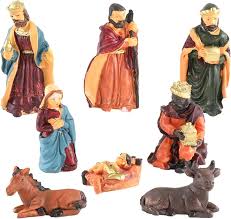
Nativität, or Nativity, refers to the birth of Jesus Christ and is a central theme in Christian theology, art, and culture. The celebration of Nativität has profound religious, historical, and cultural significance, influencing religious practices, artistic expression, and communal traditions worldwide. Beyond its spiritual meaning, Nativität has inspired countless depictions in literature, music, visual arts, and festive customs, becoming an integral aspect of cultural identity and heritage. This article provides a comprehensive exploration of Nativität, including its religious significance, historical context, artistic representations, cultural celebrations, and contemporary interpretations. Through detailed discussion and long-form analysis, readers will gain an in-depth understanding of the multifaceted role of Nativität in both religious devotion and broader cultural landscapes.
Religious Significance of Nativität
The Nativität holds profound religious significance as it commemorates the incarnation of Jesus Christ, representing the fulfillment of prophecies and the beginning of a transformative chapter in Christian theology. For believers, the birth of Jesus symbolizes hope, divine love, and the promise of salvation. Religious observances often include prayer, scripture readings, and liturgical ceremonies, emphasizing spiritual reflection and communal participation. The Nativität narrative, as depicted in the Gospels of Matthew and Luke, provides theological insights into humility, faith, and divine purpose, forming the foundation for Christian celebration during the Christmas season. Understanding the religious dimensions of Nativität enhances appreciation for its enduring spiritual and moral significance across centuries.
Historical Context of Nativität Celebrations
The historical context of Nativität celebrations reflects the evolution of Christian practices from early liturgical observances to widespread cultural festivities. Early Christians marked the birth of Christ with prayer and reflection, while later centuries saw the introduction of public feasts, nativity plays, and church decorations. The establishment of December 25th as the date of celebration in the 4th century aligned with both religious and seasonal calendars, integrating Nativität into broader social and cultural frameworks. Historical studies reveal the blending of Christian and local traditions, demonstrating how Nativität evolved as a dynamic cultural phenomenon, adapting to regional customs while maintaining its theological core.
Artistic Representations of Nativität
Artistic depictions of Nativität have played a crucial role in communicating religious narratives, inspiring devotion, and reflecting cultural values. From Renaissance paintings and illuminated manuscripts to modern visual media, the birth of Jesus has been represented with varying artistic techniques, styles, and symbolic elements. Artists often emphasize themes of divine light, humility, and pastoral serenity, portraying the Holy Family, shepherds, angels, and magi. These visual narratives serve not only as devotional tools but also as cultural artifacts that document artistic trends, theological interpretations, and societal values over time. The study of Nativität in art provides insight into the intersection of spirituality, creativity, and cultural expression.
Nativität in Music and Literature
Music and literature have long been mediums for celebrating and interpreting Nativität. From classical compositions such as Handel’s “Messiah” to contemporary Christmas carols, musical interpretations capture the emotional and spiritual essence of Christ’s birth. Literary works, including poems, plays, and stories, explore themes of hope, divine intervention, and human experience surrounding the Nativity event. These cultural expressions reinforce the narrative, allowing communities to engage emotionally and intellectually with Nativität. They also serve as vehicles for intergenerational transmission of religious and cultural knowledge, strengthening communal bonds and shared values.
Cultural Celebrations and Traditions
Nativität is celebrated worldwide with a variety of customs and traditions that reflect local culture, history, and religious practice. In many regions, nativity scenes, or crèches, are displayed in homes and public spaces, depicting the Holy Family, animals, angels, and visitors. Processions, reenactments, and festivals often accompany the season, blending religious observance with communal celebration. Food traditions, gift-giving, and symbolic decorations further enhance the festive atmosphere. By examining these cultural practices, one can appreciate the diversity of Nativität celebrations and their role in fostering community, reinforcing identity, and transmitting values across generations.
Symbolism and Theological Themes
The Nativität narrative is rich with symbolism and theological themes, encompassing concepts of divine incarnation, humility, faith, and redemption. Symbols such as the manger, star, and swaddling clothes convey messages about divine providence, guidance, and simplicity. Theological interpretations emphasize the significance of God’s entry into the human world, illustrating the connection between the divine and the ordinary. Exploring these symbols provides deeper insight into Christian theology, devotional practice, and moral reflection, highlighting how Nativität functions as both a spiritual event and a symbolic framework for understanding human and divine interaction.
Modern Interpretations and Contemporary Relevance
Contemporary interpretations of Nativität reflect the evolving ways in which communities engage with this foundational event. Modern art, literature, digital media, and secular adaptations often reinterpret traditional narratives to resonate with current social, ethical, and cultural contexts. Nativität continues to inspire charitable initiatives, social programs, and interfaith dialogues, demonstrating its enduring relevance beyond purely religious observance. By analyzing modern perspectives, one can appreciate the adaptability of Nativität as a concept, its influence on contemporary culture, and its capacity to convey timeless values in new and meaningful ways.
Educational and Community Engagement
Nativität serves as a focal point for educational programs and community engagement, particularly in religious and cultural institutions. Schools, churches, and cultural organizations often develop workshops, nativity plays, exhibitions, and interactive learning activities centered on the Nativity story. These initiatives foster knowledge of history, art, and theology, while promoting social cohesion and cultural literacy. Engaging with Nativität through educational programs enables participants to explore ethical themes, historical context, and artistic expression, enhancing understanding of both the spiritual and societal dimensions of the celebration.
Global Impact and Cultural Exchange
The global impact of Nativität is evident in the widespread observance, adaptation, and cross-cultural exchange surrounding the celebration. From Europe to Latin America, Africa, and Asia, diverse communities have incorporated nativity traditions into local customs, resulting in a rich tapestry of rituals, performances, and symbolic practices. This cross-cultural adaptation fosters intercultural understanding, promotes shared values, and strengthens connections among global communities. Nativität functions as both a religious observance and a medium for cultural dialogue, highlighting the universality of its themes and its role in global cultural heritage.
Conclusion
Nativität embodies a multifaceted concept that integrates religious significance, historical tradition, artistic expression, and cultural practice. Its celebration reflects theological insights, symbolic richness, and communal engagement, while modern interpretations ensure its relevance in contemporary society. By understanding the religious, historical, artistic, cultural, and global dimensions of Nativität, individuals can appreciate its enduring impact on human culture, spirituality, and social cohesion. Nativität remains a cornerstone of cultural heritage and a symbol of hope, divine love, and shared human values.
Frequently Asked Questions (FAQ)
What does Nativität mean?
Nativität, or Nativity, refers to the birth of Jesus Christ and the associated religious and cultural celebrations.
Why is Nativität important in Christianity?
It commemorates the incarnation of Jesus, symbolizing divine love, hope, and salvation, forming a central part of Christian theology.
How is Nativität celebrated worldwide?
Celebrations include nativity scenes, religious services, music, literature, festivals, processions, and communal gatherings, with variations across cultures.
What are common symbols associated with Nativität?
Symbols include the manger, star, swaddling clothes, angels, and the Holy Family, conveying themes of humility, guidance, and divine presence.
How is Nativität relevant today?
It continues to inspire art, literature, music, charitable activities, and community engagement, demonstrating its enduring spiritual and cultural significance.
