
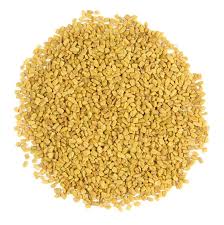
Foenegriek is a term that refers to a natural plant known for its diverse applications in culinary, medicinal, and wellness contexts. Commonly recognized for its unique flavor profile and bioactive properties, Foenegriek has been used for centuries in traditional medicine, cooking, and modern dietary supplementation. Its increasing popularity stems from scientific studies highlighting its potential health benefits, including its role in metabolic health, digestive support, and anti-inflammatory effects. Unlike standard herbs or supplements, Foenegriek offers a combination of functional properties, nutritional content, and bioactive compounds that contribute to its versatility and effectiveness. This article provides a detailed examination of Foenegriek, covering its origins, botanical characteristics, chemical composition, health benefits, culinary uses, medicinal applications, research findings, preparation methods, safety considerations, and industry trends. By exploring these dimensions, readers can gain a well-rounded understanding of why Foenegriek is valued across different contexts and how it can be safely and effectively incorporated into daily routines.
Origins and Botanical Characteristics
Foenegriek, scientifically known as Trigonella foenum-graecum, belongs to the legume family and is cultivated primarily in regions with warm climates such as the Middle East, India, and parts of Europe. The plant is characterized by small, yellowish seeds that contain a high concentration of nutrients, including proteins, vitamins, and bioactive compounds such as saponins and flavonoids. Its leaves, stems, and seeds have been historically used for both culinary and medicinal purposes. Botanically, Foenegriek thrives in well-drained soil and is valued for its adaptability and resilience. Understanding its botanical characteristics is crucial not only for cultivation but also for maximizing the efficacy of its use in supplements, culinary dishes, or therapeutic formulations.
Chemical Composition and Nutritional Profile
The seeds of Foenegriek are particularly rich in nutrients and bioactive compounds. They contain proteins, dietary fiber, essential amino acids, and minerals such as iron, magnesium, and manganese. Additionally, Foenegriek is a source of bioactive compounds like saponins, alkaloids, and flavonoids, which are believed to contribute to its physiological effects. The chemical composition of Foenegriek allows it to act as a natural regulator for various metabolic pathways, support antioxidant activity, and provide essential nutrients for overall health. By understanding its nutritional and chemical profile, consumers and researchers can better appreciate how Foenegriek contributes to wellness and its potential integration into functional foods, dietary supplements, and medicinal products.
Health Benefits of Foenegriek
Foenegriek has been widely studied for its potential health benefits, many of which are associated with metabolic and cardiovascular health. Research suggests that its bioactive compounds can help regulate blood sugar levels, enhance insulin sensitivity, and support lipid metabolism, making it beneficial for individuals managing diabetes or metabolic disorders. Additionally, Foenegriek may contribute to digestive health by stimulating gastric secretions and promoting gut motility. Its anti-inflammatory and antioxidant properties can support overall immune function, reduce oxidative stress, and alleviate discomfort associated with inflammation. Other potential benefits include hormonal balance, lactation support, and appetite regulation. While these benefits are promising, it is important to note that they can vary based on preparation methods, dosage, and individual health conditions.
Culinary Uses of Foenegriek
Foenegriek has a long-standing history as a culinary herb and spice, particularly in Mediterranean, Indian, and Middle Eastern cuisines. Its seeds are commonly used to flavor curries, stews, pickles, and baked goods, while its leaves are used fresh or dried as seasoning for salads and soups. The distinct aroma and slightly bitter, nutty taste of Foenegriek make it versatile in both sweet and savory dishes. In addition to flavoring, its nutritional content adds value to meals, making it not only a culinary ingredient but also a functional addition to diets. Cooking techniques such as roasting, grinding, and soaking can influence its flavor profile and nutrient retention, and these methods are often adapted to suit regional culinary traditions.
Medicinal and Traditional Uses
Foenegriek has been utilized for centuries in traditional medicine systems such as Ayurveda and Unani for its therapeutic properties. Traditionally, it has been employed to support digestive health, enhance lactation, alleviate inflammation, and regulate blood sugar levels. Its seeds, leaves, and extracts have been used in various formulations, including teas, decoctions, powders, and topical applications. Modern research has begun to validate some of these traditional uses, particularly in metabolic regulation, digestive support, and anti-inflammatory activity. Understanding these historical and medicinal applications provides a framework for integrating Foenegriek into modern wellness practices and highlights the synergy between traditional knowledge and contemporary scientific validation.
Scientific Studies and Research Insights
A growing body of scientific research has investigated the efficacy and mechanisms of Foenegriek. Clinical studies suggest that its consumption may help lower blood glucose levels in individuals with type 2 diabetes, improve lipid profiles, and enhance overall metabolic health. Animal studies have explored its effects on inflammation, oxidative stress, and hormonal regulation, demonstrating its potential as a multi-functional plant. Research also emphasizes the role of specific bioactive compounds, such as saponins and flavonoids, in mediating these effects. Despite these promising findings, further large-scale, long-term studies are needed to establish standardized dosage recommendations, safety parameters, and comprehensive guidelines for therapeutic use.
Preparation Methods and Consumption Guidelines
Foenegriek can be consumed in various forms, including whole seeds, powders, capsules, teas, and extracts. Preparation methods can influence both its flavor and efficacy. Soaking or roasting seeds can reduce bitterness and enhance digestibility, while grinding seeds into powder allows for incorporation into supplements, recipes, and beverages. In medicinal applications, standardized extracts are often used to ensure consistent dosage and potency. Consumption guidelines typically recommend moderation, with consideration for individual health conditions and potential interactions with medications. Proper preparation and informed usage are essential for maximizing benefits and minimizing risks.
Potential Risks and Safety Considerations
Although Foenegriek is generally considered safe when consumed in appropriate amounts, excessive intake may lead to gastrointestinal discomfort, allergic reactions, or interactions with medications such as anticoagulants or hypoglycemic agents. Pregnant or breastfeeding individuals should consult healthcare providers before use, particularly if employing it for medicinal purposes such as lactation support. Quality control is critical, as contamination, adulteration, or improper processing can reduce efficacy and increase risk. Awareness of potential risks, adherence to recommended dosages, and sourcing from reputable suppliers are essential for safe utilization.
Industry Applications and Market Trends
The growing interest in Foenegriek reflects broader trends in the nutraceutical, functional food, and wellness industries. It is increasingly incorporated into dietary supplements, fortified foods, teas, and cosmetic products. Market demand is driven by consumer preference for natural, plant-based, and scientifically validated products that offer multiple health benefits. Manufacturers are innovating by combining Foenegriek with complementary ingredients to enhance bioavailability, efficacy, and flavor. Regulatory frameworks in different regions influence production standards, labeling, and marketing claims, underscoring the importance of compliance for sustainable growth in this sector.
Frequently Asked Questions (FAQ)
What is Foenegriek?
Foenegriek is a plant, also known as Trigonella foenum-graecum, valued for its culinary, medicinal, and nutritional properties.
What are the health benefits of Foenegriek?
It may support blood sugar regulation, digestive health, anti-inflammatory activity, metabolic function, and hormonal balance.
How can Foenegriek be consumed?
It can be consumed as seeds, powders, capsules, teas, extracts, or incorporated into food dishes for both flavor and health benefits.
Is Foenegriek safe for everyone?
Generally safe in moderate amounts, but individuals with allergies, specific health conditions, or those taking medications should consult healthcare professionals.
Can Foenegriek be used in cooking?
Yes, it is commonly used in curries, stews, teas, baked goods, and seasoning blends, offering both flavor and nutritional value.
Are there scientific studies supporting Foenegriek?
Yes, studies indicate benefits in metabolic regulation, blood sugar management, anti-inflammatory effects, and digestive support, though further research is ongoing.
Conclusion
Foenegriek represents a versatile and valuable plant with wide-ranging applications in nutrition, medicine, and wellness. Its unique chemical composition, bioactive compounds, and nutritional content make it a compelling choice for consumers seeking natural solutions to support health and well-being. While scientific studies continue to explore its efficacy and mechanisms, traditional use and emerging research collectively underscore its potential benefits. Incorporating Foenegriek responsibly, through proper preparation, dosage, and sourcing, allows individuals to leverage its properties safely and effectively. As interest in natural, plant-based, and evidence-backed products continues to grow, Foenegriek is poised to play an increasingly significant role in the modern wellness and nutraceutical landscape, bridging the gap between tradition and contemporary science.
