
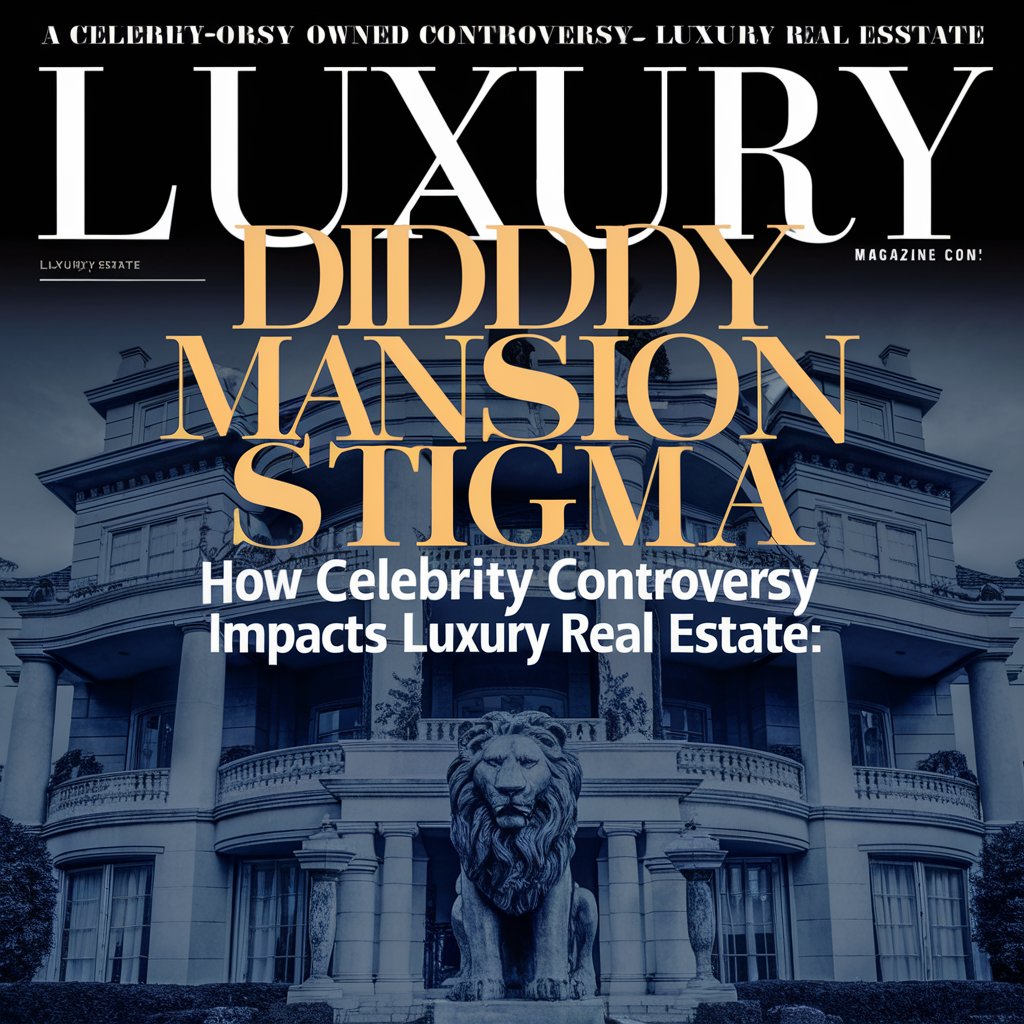
The phrase “diddy mansion sale stigma” has recently gained attention as discussions around celebrity-owned properties and their market perception continue to grow. When a high-profile figure like Sean Combs—widely known as Diddy—faces controversy, it often creates ripple effects that extend far beyond entertainment headlines and into industries such as luxury real estate. Mansions once admired for their architectural brilliance and exclusivity can suddenly carry an invisible burden: stigma. This article explores how the diddy mansion sale stigma develops, what it means for buyers and sellers, and how such properties navigate the complex journey from notoriety to normalcy in the housing market.
Understanding the Diddy Mansion Sale Stigma
The concept of the diddy mansion sale stigma refers to the negative perception attached to a property due to its association with a controversial or widely publicized celebrity. In luxury real estate, perception is everything, and when a home becomes tied to legal issues, scandals, or public scrutiny, it can influence how potential buyers emotionally and financially evaluate the property. Even if the mansion itself remains physically unchanged, its symbolic value may shift dramatically, making it harder to sell or requiring price adjustments.
This stigma is not unique to Diddy’s properties, but his case highlights how modern media amplification accelerates the spread of reputational impact. Social media, news cycles, and online speculation can quickly transform a prestigious address into a topic of debate, which inevitably shapes buyer sentiment. The diddy mansion sale stigma, therefore, is less about the structure and more about the narrative attached to it.
How Celebrity Ownership Influences Property Value
Celebrity ownership has long been a double-edged sword in real estate. On one hand, owning a mansion previously occupied by a global icon like Sean Combs can add prestige and historical appeal. On the other hand, when controversy enters the picture, that same association can deter buyers who prefer privacy and neutrality. The diddy mansion sale stigma demonstrates how quickly the perceived value of a property can shift depending on public opinion.
Luxury buyers often seek exclusivity without unwanted attention. A home tied to headlines may bring curiosity but also scrutiny, including media interest or public speculation. This dynamic can reduce demand, lengthen time on the market, and force sellers to reconsider pricing strategies. In some cases, properties affected by stigma may sell below their expected market value despite offering top-tier amenities and prime locations.
Psychological Impact of Stigmatized Properties
One of the most significant aspects of the diddy mansion sale stigma is its psychological effect on potential buyers. Real estate decisions are not purely financial; they are deeply emotional. Buyers want to feel comfortable, safe, and proud of their investment. When a property carries a controversial past, it can create subconscious hesitation, even if the buyer cannot clearly articulate why.
This phenomenon is often referred to as “emotional contamination,” where the history of a place influences how people perceive it in the present. In the case of a high-profile mansion, buyers may worry about social perception, resale value, or even personal discomfort living in a space associated with negative publicity. As a result, the stigma can persist longer than expected, even after the initial controversy fades from headlines.
Media Influence and the Spread of Stigma
The role of media in shaping the diddy mansion sale stigma cannot be overstated. In today’s digital landscape, news spreads rapidly, and narratives can become deeply entrenched. Continuous coverage, viral discussions, and speculative reporting can reinforce the association between a property and controversy, making it difficult for the mansion to be viewed independently of its past.
Moreover, search engine results and online archives ensure that the connection remains accessible to anyone researching the property. This long-term visibility contributes to the durability of stigma, meaning that even years later, the mansion may still be linked to its former owner’s controversies. For sellers, this presents a unique challenge: how to reposition the property and shift the narrative in a crowded information environment.
Strategies to Overcome Diddy Mansion Sale Stigma
Despite the challenges, there are effective strategies to mitigate the impact of the diddy mansion sale stigma. Real estate professionals often focus on rebranding the property by highlighting its architectural features, location benefits, and lifestyle appeal rather than its ownership history. Renovations, redesigns, and even renaming the property can help create a fresh identity that distances it from past associations.
Another approach involves targeting a specific buyer demographic that may view the stigma differently. Some investors and buyers are less concerned with public perception and more interested in acquiring high-value properties at a potential discount. In such cases, the stigma can actually become an opportunity rather than a drawback, allowing savvy buyers to secure premium assets under favorable conditions.
Long-Term Effects on the Luxury Real Estate Market
The diddy mansion sale stigma also offers broader insights into how the luxury real estate market responds to celebrity influence. It highlights the importance of reputation management, not just for individuals but for properties themselves. As more transactions and property histories become publicly accessible, the concept of stigmatized real estate is likely to become more prominent.
Over time, however, most stigmas tend to fade as new ownership takes over and the property develops a new narrative. The market has a natural ability to reset, especially when the property’s intrinsic value—such as location, design, and amenities—remains strong. Nevertheless, the initial impact can be significant, making it a critical consideration for both buyers and sellers.
Conclusion
The diddy mansion sale stigma illustrates how closely intertwined celebrity culture and real estate have become. A mansion is no longer just a physical structure; it is a story shaped by its past and perceived through the lens of public opinion. While controversy can temporarily diminish a property’s appeal, it does not define its long-term potential. With the right strategies and market conditions, even stigmatized properties can regain their status and attract discerning buyers.
Understanding this phenomenon allows investors, homeowners, and real estate professionals to navigate the complexities of high-profile property transactions with greater awareness and confidence. Ultimately, the value of a home extends beyond its history, and time often proves to be the most effective tool in overcoming stigma.
Frequently Asked Questions (FAQs)
What is the diddy mansion sale stigma?
The diddy mansion sale stigma refers to the negative perception attached to a property due to its association with Sean Combs and any related controversies, which can affect buyer interest and market value.
Does stigma permanently reduce a property’s value?
Not necessarily. While stigma can impact short-term value and demand, most properties recover over time as new owners reshape their identity and the controversy fades.
Why do buyers avoid stigmatized mansions?
Buyers may feel uncomfortable with the property’s history, worry about social perception, or fear difficulties in reselling the home in the future.
Can a stigmatized property become desirable again?
Yes, through rebranding, renovations, and time, many properties overcome stigma and regain their appeal in the market.
Is buying a stigmatized mansion a good investment?
It can be, especially if the price is reduced due to stigma. Investors willing to look beyond public perception may find unique opportunities in such properties.
