
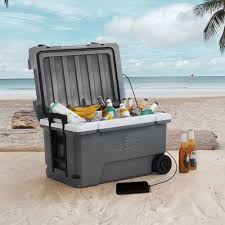
When it comes to keeping beverages, food, or perishable items cold for extended periods, choosing the best cooler for ice retention is critical. Ice retention is not only a measure of how long your cooler can maintain cold temperatures but also an indicator of its insulation quality, design efficiency, and material durability. Whether you’re planning a weekend camping trip, a day at the beach, a long fishing expedition, or a tailgating event, a cooler with superior ice retention ensures your items remain fresh, safe, and enjoyable. This article explores the key factors that affect ice retention, compares different cooler types, provides practical tips for maximizing performance, and guides consumers in selecting the most suitable cooler for their needs.
Understanding Ice Retention
Ice retention refers to a cooler’s ability to maintain low internal temperatures and preserve ice or frozen items over time. Several factors influence ice retention, including insulation thickness, cooler material, lid design, and sealing mechanisms. Thicker insulation slows heat transfer from the outside environment, while materials such as rotomolded plastic provide durability and improved thermal resistance. A well-sealed lid prevents warm air from entering and cold air from escaping. Additionally, pre-chilling the cooler, using block ice instead of cubed ice, and minimizing lid openings significantly enhance ice retention performance. Understanding these factors is key to selecting a cooler that meets specific usage requirements.
Types of Coolers and Ice Retention Performance
Coolers can be broadly categorized into soft-sided, hard-sided, and rotomolded coolers, each offering different ice retention capabilities. Soft-sided coolers are lightweight and portable but generally provide shorter ice retention periods, often 6–12 hours, making them ideal for day trips or casual outings. Hard-sided coolers, commonly made of thick plastic and foam insulation, can retain ice for 1–3 days depending on external conditions. Rotomolded coolers represent the premium segment, featuring robust insulation, airtight lids, and reinforced construction capable of maintaining ice for 5–10 days or more. Understanding the performance differences among cooler types helps consumers match their choice to intended usage and duration.
Key Features to Look for in Ice-Retention Coolers
Selecting the best cooler for ice retention requires attention to several key features. Insulation thickness and quality are critical, with commercial-grade polyurethane or pressure-injected foam providing superior thermal protection. Lid and gasket design ensure airtight sealing, preventing heat exchange and maintaining cold air inside. Durable construction, often with rotomolded plastic, resists impact and protects internal contents. Additional features such as drain plugs, tie-down points, non-slip feet, and UV-resistant exteriors improve convenience and longevity. Evaluating these features in combination with ice retention performance ensures a cooler that is both effective and practical.
Popular Cooler Brands and Models for Ice Retention
Several cooler brands are recognized for exceptional ice retention performance. Yeti Tundra and Yeti Roadie series are highly regarded for their rotomolded construction and long-lasting cold preservation. Pelican Elite Coolers are similarly praised for insulation and durability, offering several days of ice retention in extreme conditions. RTIC and Orca coolers provide a cost-effective alternative without sacrificing performance, often with ice retention times comparable to high-end models. For casual users, brands like Coleman and Igloo offer sufficient ice retention for short trips, while maintaining affordability and accessibility. Comparing brands and models based on reviews, retention tests, and feature sets is essential for informed purchasing decisions.
Maximizing Ice Retention in Any Cooler
Even the best cooler’s ice retention can be compromised by improper use. Pre-chilling the cooler before adding ice, using block ice instead of cubed ice, and limiting lid openings are essential techniques. Packing food efficiently, keeping items dry, and layering ice around high-priority items can further prolong cold preservation. Placing coolers in shaded areas, insulating them with blankets, or using cooler covers can also minimize external heat exposure. By implementing these practices, users can significantly extend ice retention times, ensuring optimal performance regardless of cooler type or brand.
Ice Retention for Specialized Uses
Different activities require tailored cooler solutions. Camping and fishing trips benefit from heavy-duty rotomolded coolers with multi-day ice retention, protecting perishable items over extended periods. Tailgating and beach outings may only require a medium-sized hard-sided cooler with moderate ice retention. Medical or professional use, such as transporting vaccines or laboratory samples, demands coolers with strict temperature control, leak-proof designs, and high-performance insulation. Matching cooler specifications to the specific use case ensures both convenience and effectiveness in preserving contents.
Maintenance and Longevity of Ice-Retention Coolers
Proper maintenance significantly impacts a cooler’s ice retention longevity. Regular cleaning prevents odors and bacterial buildup, while proper storage in shaded or ventilated areas avoids warping and degradation. Inspecting gaskets, hinges, and drain plugs ensures an airtight seal, essential for maximum ice retention. Some users also apply silicone spray or protective coatings to preserve exterior durability. Maintaining coolers not only preserves ice retention performance but also extends the overall lifespan, providing long-term value for users.
Environmental and Cost Considerations
High-quality coolers with superior ice retention often come at a higher initial cost, but their durability and effectiveness provide long-term savings by reducing the need for repeated purchases and excess ice. Additionally, coolers with excellent insulation reduce the environmental footprint by minimizing ice waste and maintaining contents efficiently. Investing in a reliable cooler balances performance, cost, and environmental responsibility, supporting sustainable outdoor activities and practical long-term use.
Conclusion
Selecting the best cooler for ice retention involves understanding insulation, construction, features, and usage scenarios. Rotomolded coolers generally offer the longest ice retention, while hard-sided and soft-sided coolers serve shorter-duration needs. Proper use, including pre-chilling, using block ice, and limiting lid openings, maximizes performance. Whether for camping, tailgating, or professional applications, investing in a cooler with strong ice retention ensures freshness, convenience, and reliability. By considering performance, durability, and practical features, consumers can enjoy their outdoor adventures while keeping food and beverages cold for extended periods.
Frequently Asked Questions (FAQ)
What is the best cooler for ice retention?
Rotomolded coolers like Yeti Tundra, Pelican Elite, and RTIC offer the longest ice retention, typically 5–10 days.
How long can ice stay in a high-quality cooler?
Premium coolers can maintain ice for 5–10 days depending on external conditions, cooler size, and usage practices.
Do soft-sided coolers retain ice effectively?
Soft-sided coolers are lightweight and portable but usually retain ice for only 6–12 hours, suitable for short trips.
What factors affect ice retention?
Insulation thickness, cooler material, lid design, gasket quality, pre-chilling, ice type, and frequency of lid openings all affect ice retention.
How can I maximize ice retention in any cooler?
Pre-chill the cooler, use block ice, limit lid openings, pack efficiently, and keep the cooler in a shaded area.
Are expensive coolers worth it for ice retention?
Yes, while the initial cost is higher, premium coolers provide durability, superior insulation, and long-term ice retention, offering better value over time.
Can ice retention be affected by outdoor temperature?
Absolutely; high ambient temperatures increase heat transfer and reduce ice longevity, making insulation and shading critical.
