
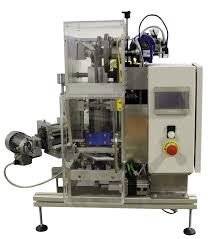
Tortellinatrice represents a new standard in culinary innovation, particularly for those passionate about Italian cuisine and homemade pasta. Combining advanced design, ease of use, and traditional craftsmanship, the Tortellinatrice transforms the labor-intensive process of making tortellini into a simple, efficient, and enjoyable activity. This kitchen appliance caters to both professional chefs and home cooks, enabling them to create perfectly shaped tortellini with consistent quality, texture, and flavor. Beyond functionality, the Tortellinatrice embodies a bridge between tradition and modernity, preserving the art of Italian pasta-making while leveraging contemporary technology. This article explores Tortellinatrice in detail, discussing its features, culinary applications, technological design, cultural impact, and potential future developments in gastronomy.
1. Understanding the Tortellinatrice: Origins and Purpose
The Tortellinatrice is designed to automate the complex process of forming tortellini, a pasta variety with deep roots in Italian culinary tradition. Historically, making tortellini by hand has been a meticulous task, requiring skill, precision, and significant time investment. The Tortellinatrice simplifies this process, allowing users to produce large quantities of high-quality pasta quickly and consistently. Its purpose extends beyond efficiency; it also preserves the integrity of traditional recipes, ensuring that every tortellino maintains the correct size, thickness, and filling distribution. The appliance reflects the culinary trend of combining technology with heritage, providing an authentic experience without compromising modern convenience.
2. Key Features and Design of the Tortellinatrice
The Tortellinatrice is notable for its combination of user-friendly design, functionality, and precision engineering. Key features include:
-
Adjustable Thickness Settings: Users can control pasta dough thickness to match different recipes and preferences.
-
Consistent Filling Dispensing: Precision mechanisms ensure even distribution of filling in every tortellino.
-
Easy-to-Clean Construction: Detachable components and stainless steel materials simplify maintenance.
-
Compact and Ergonomic Design: Suitable for both home kitchens and professional settings.
-
Durable Materials: High-quality construction ensures longevity and reliable performance.
These features make the Tortellinatrice a versatile tool, capable of delivering authentic pasta-making experiences with minimal effort.
3. Culinary Applications of the Tortellinatrice
While primarily designed for tortellini, the appliance has broader applications in the kitchen. It can be adapted for various filled pasta types such as ravioli, agnolotti, or cappelletti. Its precision allows for experimentation with different fillings, including traditional meat, cheese, and vegetable combinations, as well as modern innovations such as seafood, truffles, or vegan options. The Tortellinatrice also aids in batch preparation, making it ideal for restaurants, catering services, and large family gatherings. Its ability to streamline production without sacrificing quality makes it a valuable tool for both culinary professionals and home chefs who value efficiency and authenticity.
4. Technology Behind the Tortellinatrice
The Tortellinatrice integrates mechanical engineering with practical culinary principles. Its technology ensures consistent dough shaping, precise filling portioning, and uniform sealing. Advanced models may feature adjustable settings for dough density, filling size, and pasta thickness. Some modern iterations incorporate automated rolling mechanisms and programmable functions to reduce manual intervention. The technology focuses on reliability, ease of use, and durability, ensuring that each tortellino is consistent in shape and taste. By combining mechanical precision with user-centric design, the Tortellinatrice demonstrates how technology can elevate traditional cooking methods.
5. Benefits of Using a Tortellinatrice
The advantages of using a Tortellinatrice are multifaceted:
-
Time Efficiency: Produces large quantities of tortellini quickly compared to hand-making.
-
Consistency and Quality: Ensures uniform size, filling distribution, and dough thickness.
-
Culinary Creativity: Enables experimentation with fillings, flavors, and pasta styles.
-
Ease of Use: Suitable for both professional chefs and home cooks without specialized skills.
-
Hygienic and Safe: Constructed with materials and features that prioritize food safety.
These benefits make the appliance indispensable for anyone seeking to combine efficiency with culinary excellence.
6. Cultural Significance of Tortellini and Its Modern Adaptation
Tortellini is more than just a dish; it is a symbol of Italian culinary heritage, originating in the Emilia-Romagna region. Traditionally, tortellini-making was a communal activity, passed down through generations. The Tortellinatrice preserves this cultural significance while adapting it for modern kitchens. By making authentic pasta accessible to a wider audience, it encourages appreciation for traditional cuisine and culinary craftsmanship. It bridges the gap between historical methods and contemporary lifestyles, allowing both professionals and enthusiasts to honor Italian culinary heritage without the constraints of time and labor.
7. Tips for Optimal Use of the Tortellinatrice
To maximize performance and results, users should consider the following best practices:
-
Dough Preparation: Ensure dough consistency matches the recommended specifications for smooth operation.
-
Filling Placement: Evenly distribute filling to prevent leakage and maintain shape.
-
Cleaning and Maintenance: Disassemble and clean components after each use to maintain hygiene and durability.
-
Experimentation: Test different fillings, dough thickness, and pasta shapes to expand culinary creativity.
-
Temperature Control: Maintain proper dough and filling temperature to ensure optimal sealing and texture.
Following these guidelines ensures that every batch of tortellini meets professional standards, whether in a restaurant or home kitchen.
8. Pioneering Innovations in Tortellini-Making
The Tortellinatrice exemplifies how modern kitchen technology can enhance traditional cooking. Innovations include:
-
Automated Filling Systems: Reduce human error and ensure uniform distribution.
-
Adjustable Rolling Mechanisms: Adaptable to different pasta types and thicknesses.
-
Compact Industrial Design: Suitable for professional kitchens with space constraints.
-
Durable and Food-Safe Materials: Designed for long-term use and consistent performance.
These innovations demonstrate a thoughtful approach to combining heritage with efficiency, making traditional Italian pasta accessible to contemporary chefs and home cooks alike
9. Challenges and Considerations
Despite its advantages, the Tortellinatrice presents certain considerations:
-
Initial Investment: High-quality models may be costly, but they offer long-term efficiency and durability.
-
Learning Curve: Users must understand dough consistency and filling handling for optimal results.
-
Maintenance Requirements: Regular cleaning and component checks are necessary for longevity.
-
Limited Flexibility for Extreme Customization: While versatile, certain intricate shapes may still require manual skill.
Awareness of these considerations allows users to make informed decisions and optimize their culinary outcomes.
10. The Future of Tortellini-Making with Technology
The future of pasta-making combines tradition, technology, and culinary creativity. Advanced Tortellinatrice models may integrate AI-guided filling distribution, automated dough kneading, or connected smart kitchen features. Sustainability initiatives, such as energy-efficient motors or eco-friendly materials, are likely to shape future appliances. As global interest in Italian cuisine grows, the Tortellinatrice may evolve into a multi-functional kitchen hub, allowing users to create diverse pasta dishes with professional quality, minimal effort, and innovative techniques. This evolution highlights the intersection of technology, culture, and gastronomy.
Frequently Asked Questions (FAQ)
1. What is a Tortellinatrice?
A Tortellinatrice is a kitchen appliance designed to automate the making of tortellini, ensuring consistent size, filling, and dough thickness.
2. Who can use a Tortellinatrice?
Both professional chefs and home cooks can use it to efficiently produce authentic tortellini and other filled pasta types.
3. Can it make other types of pasta?
Yes, many models can adapt to ravioli, agnolotti, cappelletti, and similar filled pasta varieties.
4. What are the main benefits of using a Tortellinatrice?
It saves time, ensures consistency, enhances creativity, and maintains food safety standards.
5. How should I maintain my Tortellinatrice?
Regular cleaning of detachable parts, careful handling of moving components, and proper storage are essential for longevity.
Conclusion
The Tortellinatrice is a groundbreaking tool that bridges traditional culinary heritage and modern convenience. By automating the complex process of making tortellini, it empowers chefs and home cooks to produce consistent, high-quality pasta while exploring creativity in fillings and shapes. Beyond functionality, it represents a cultural link to Italy’s rich gastronomic tradition, ensuring that the art of pasta-making is preserved and accessible to contemporary users. As technology continues to advance, the Tortellinatrice will likely evolve further, integrating smart features, sustainability, and broader versatility, solidifying its place as an essential innovation in modern kitchens.
