
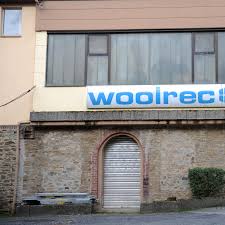
In the modern era of fast fashion, environmental degradation, and industrial waste, sustainability has emerged as one of the most important challenges facing humanity. Among the industries that contribute significantly to global waste, the textile sector stands out as both a problem and a potential solution. Within this dynamic landscape, Woolrec has become a groundbreaking initiative, redefining how the world thinks about wool recycling, circular production, and responsible consumption. Derived from the concept of wool recycling, Woolrec is more than just a process — it represents a vision of sustainable transformation, merging innovation, environmental consciousness, and ethical production.
As consumers grow increasingly aware of their impact on the planet, the demand for eco-friendly textiles has surged. Yet, the transition from synthetic fibers to biodegradable materials is not enough. The fashion industry must also address the waste it creates after production. Woolrec steps into this challenge with an approach that recycles discarded wool garments, manufacturing offcuts, and pre-consumer waste into new, high-quality fibers that retain their original warmth, texture, and resilience. This innovation not only reduces landfill accumulation but also redefines what sustainability can look like in the textile industry.
This article explores the world of Woolrec in depth — from its origins and mission to its technologies, global implications, and vision for the future. It aims to illuminate how a simple yet powerful idea can revolutionize entire systems, proving that when sustainability and creativity meet, the results can change industries and inspire global movements.
1. The Origin and Concept of Woolrec
The concept of Woolrec originated from a growing awareness of the textile industry’s environmental footprint and the urgent need for change. Wool, despite being a natural and biodegradable material, often ends up in landfills when discarded clothing or unused manufacturing waste is not properly managed. Recognizing this inefficiency, Woolrec was founded with a clear purpose — to reclaim wool fibers from waste and reintegrate them into the production cycle.
This initiative was built on the philosophy of closed-loop recycling, a system in which materials are continuously reused rather than discarded. The founders of Woolrec believed that the same wool fibers that once served as a cozy sweater or a tailored coat could live multiple lives if properly processed and renewed. Unlike synthetic fibers, wool retains its structure and insulation qualities even after being recycled, making it a perfect candidate for sustainable circular production.
At its core, Woolrec represents a shift in mindset — from linear consumption to regenerative design. It invites manufacturers, designers, and consumers alike to rethink their relationship with materials. Through scientific innovation and ethical principles, Woolrec transforms what was once considered waste into a valuable resource, illustrating how sustainability is not merely about conservation but about intelligent reinvention.
2. The Environmental Impact of Wool Recycling
The environmental significance of Woolrec cannot be overstated. The traditional textile production process consumes vast amounts of water, energy, and chemicals, all of which contribute to pollution and climate change. Moreover, when garments are discarded, they often end up in landfills, releasing methane and other greenhouse gases as they decompose. Woolrec intervenes at this critical point by reclaiming and repurposing wool waste before it reaches this harmful stage.
By recycling wool, Woolrec drastically reduces the demand for virgin wool production, which in turn minimizes the environmental burden of sheep farming. Sheep rearing requires large tracts of land and water, and it also contributes to methane emissions. Recycling wool lessens this demand, creating a more balanced and sustainable approach to resource management.
Additionally, Woolrec’s methods minimize chemical usage by focusing on mechanical processes that maintain fiber quality without heavy bleaching or dyeing. The result is a cleaner production chain that aligns with global sustainability goals such as the UN’s Sustainable Development Goal 12: Responsible Consumption and Production. Every kilogram of wool recycled through Woolrec represents a tangible step toward reducing waste, conserving natural resources, and mitigating environmental harm.
3. The Science and Technology Behind Woolrec
The technological foundation of Woolrec is a sophisticated blend of traditional craftsmanship and modern engineering. Woolrec’s process begins with the careful sorting of discarded wool textiles. This sorting stage ensures that fibers of similar composition, color, and quality are grouped together for optimal processing. Unlike synthetic recycling, which often involves melting or chemical breakdown, wool recycling is primarily a mechanical process that preserves the fiber’s natural characteristics.
Once sorted, the textiles undergo a process called fiber regeneration. Here, the fabrics are mechanically shredded into fine fibers using specialized machines designed to protect the natural crimp and elasticity of wool. These regenerated fibers are then cleaned, carded, and spun into new yarns, which can be used to produce everything from luxury apparel to industrial felt.
Woolrec’s innovative technology ensures minimal waste generation throughout the entire process. Even the smallest fiber remnants are reused in insulation materials, upholstery fillings, or composite textiles. Moreover, continuous research and development have led to hybrid techniques that combine traditional wool recycling with digital fiber tracking, allowing transparency and traceability from waste source to final product.
Through this intricate process, Woolrec not only revives discarded textiles but also elevates them, turning waste into premium-quality materials ready to re-enter the global textile market.
4. The Economic Value of Sustainable Recycling
Sustainability and profitability are often seen as conflicting goals, but Woolrec demonstrates how the two can harmoniously coexist. The recycling of wool presents economic opportunities across multiple levels of the supply chain. Manufacturers save costs by sourcing recycled fibers instead of relying solely on virgin materials, while brands enhance their market appeal by adopting eco-conscious practices.
Woolrec’s circular business model creates a continuous flow of resources that benefits both producers and consumers. For producers, it reduces dependency on volatile raw material markets. For consumers, it delivers products that are environmentally responsible without sacrificing quality or aesthetic value. Additionally, Woolrec supports local economies by generating employment in collection, sorting, and processing facilities — offering new livelihoods built around sustainability.
As governments and industries worldwide adopt stricter environmental regulations, initiatives like Woolrec are also positioned to benefit from policy incentives and green investments. In the long run, the widespread implementation of wool recycling can help create an economy where sustainability becomes a competitive advantage, not an obligation.
5. Woolrec and the Circular Economy
The circular economy is an economic system designed to eliminate waste and promote the continual use of resources. Woolrec exemplifies this principle by ensuring that wool fibers remain in circulation for as long as possible. In contrast to the traditional “take-make-dispose” model, Woolrec follows the “collect-renew-recreate” cycle.
Every stage of the Woolrec process is guided by circularity. Post-consumer textiles are collected and reintegrated into new production cycles, thereby closing the loop. This prevents valuable materials from being lost to landfills and simultaneously reduces the strain on raw resource extraction.
Moreover, Woolrec collaborates with designers who embrace modular and recyclable fashion concepts — creating garments that can be easily disassembled and reprocessed in the future. This design philosophy ensures that sustainability is embedded not just in production but in product life cycles themselves.
By aligning with the global movement toward circular economies, Woolrec stands as a model for how traditional industries can reinvent themselves for a regenerative, waste-free future.
6. Woolrec’s Role in Fashion Industry Transformation
The fashion industry is undergoing a profound transformation, with sustainability now at the forefront of innovation and consumer demand. Woolrec’s influence extends deep into this transformation, as it challenges the industry to prioritize quality, durability, and accountability.
Fashion brands that partner with Woolrec gain access to high-quality recycled wool that meets the same standards as virgin fibers. This allows them to produce garments that are luxurious, comfortable, and environmentally responsible. Furthermore, Woolrec’s transparency systems provide full traceability, enabling consumers to understand where their clothes come from and how they were made.
The cultural impact of this change is significant. It encourages a shift from disposable fashion to mindful consumption. Consumers are beginning to see value not in owning more, but in owning better. Through collaborations with forward-thinking designers and sustainable fashion houses, Woolrec has become part of a global movement that blends creativity with conscience.
7. Challenges and Future Prospects
Despite its success, Woolrec faces challenges that mirror those of the larger sustainability movement. One major obstacle is scaling operations while maintaining quality and affordability. Wool recycling requires precise technology and skilled labor, both of which come with costs that can limit accessibility.
Another challenge lies in consumer education. Many people remain unaware that wool can be recycled or believe that recycled materials are inferior. Woolrec addresses this by conducting awareness campaigns and partnerships with brands that promote responsible fashion.
Looking ahead, the future of Woolrec is filled with promise. With advances in textile science, automation, and blockchain tracking, the company envisions a global network of interconnected recycling hubs. These hubs would work with local communities to collect and process wool waste efficiently, contributing to a truly circular global textile economy.
In the long term, Woolrec’s innovation could serve as a model for other materials — expanding the concept beyond wool to cotton, linen, and even synthetic blends, paving the way for a future where textile waste becomes obsolete.
8. The Global Significance of Woolrec
The impact of Woolrec extends beyond environmental and economic benefits — it represents a blueprint for global collaboration. Textile waste is a worldwide issue, transcending borders and cultures. Woolrec’s model can be adapted and replicated in different regions, empowering local industries to embrace sustainable practices while supporting international sustainability goals.
In Europe, Woolrec aligns with the EU’s Green Deal, which emphasizes resource efficiency and circular production. In developing countries, its localized models offer both environmental protection and employment opportunities. The global textile industry, valued at trillions of dollars, has the potential to transform entire economies through sustainable systems like Woolrec’s.
The cultural message of Woolrec also resonates universally: the idea that waste can be reborn as value, that what we discard can once again become beautiful and useful. This principle not only inspires innovation but also restores hope in a future where humanity and nature coexist in harmony.
9. Educational and Social Outreach
Beyond production and profit, Woolrec is deeply invested in education and community engagement. The company regularly collaborates with schools, universities, and non-profit organizations to raise awareness about sustainable textiles. Workshops, exhibitions, and training programs teach individuals about the science of wool recycling and the importance of mindful consumption.
These initiatives empower future generations of designers, engineers, and consumers to adopt eco-conscious habits. By bridging education and industry, Woolrec cultivates a culture of accountability and innovation that will continue to drive sustainability forward.
Moreover, Woolrec supports artisans and small-scale producers, providing them access to recycled fibers for local crafts. This not only sustains traditional textile practices but also modernizes them through eco-friendly materials. The result is a socially inclusive model that integrates environmental sustainability with cultural preservation.
10. A Vision for Tomorrow: The Woolrec Legacy
The legacy of Woolrec is more than technological — it is philosophical. It challenges individuals, industries, and governments to redefine value itself. Through its model, Woolrec proves that sustainability is not an obstacle to growth but a catalyst for progress. Its philosophy of renewal — of giving waste a second life — mirrors the broader truth that innovation thrives when guided by purpose.
Looking ahead, Woolrec envisions a world where fashion is fully circular, where no garment ever becomes waste, and where every product carries the story of regeneration. This future is not a distant dream but an achievable reality, made possible by initiatives that combine science, ethics, and vision.
As the climate crisis intensifies, Woolrec’s example serves as both a warning and an inspiration: the time for responsible innovation is now, and the future of our planet depends on how we choose to act today.
Frequently Asked Questions (FAQ)
Q1: What is Woolrec?
Woolrec is a sustainable wool recycling initiative that transforms discarded wool textiles into new, high-quality fibers through innovative, environmentally friendly processes.
Q2: Why is wool recycling important?
Recycling wool reduces waste, conserves resources, and minimizes the environmental impact of virgin wool production, including water use and methane emissions.
Q3: Is recycled wool as good as new wool?
Yes, recycled wool retains most of the qualities of virgin wool, including warmth, softness, and durability. Woolrec’s advanced technology ensures that quality is maintained throughout the recycling process.
Q4: How does Woolrec support sustainability?
Woolrec promotes circular economy principles by extending the life cycle of wool fibers, reducing landfill waste, lowering carbon emissions, and supporting ethical production.
Q5: Can consumers contribute to Woolrec’s mission?
Absolutely. Consumers can support Woolrec by purchasing products made from recycled wool, donating old garments for recycling, and spreading awareness about sustainable fashion.
Conclusion
The story of Woolrec is a testament to human ingenuity and moral responsibility. In a world facing unprecedented environmental challenges, it stands as a symbol of what is possible when innovation aligns with ethics. By turning waste into resource, Woolrec not only redefines the textile industry but also restores balance between production and preservation.
Its philosophy reaches beyond wool — it calls for a cultural shift in how we perceive consumption, waste, and value. As industries around the world struggle to adapt to sustainability demands, Woolrec offers a proven, scalable model for a greener and fairer future.
In the final analysis, Woolrec is more than a company or a process — it is a movement. It reminds us that the solutions to global problems often begin with simple yet profound ideas: to renew, to reuse, and to respect the world we live in. By embracing these principles, Woolrec lights the path toward a future where sustainability is not a choice but a way of life.
