
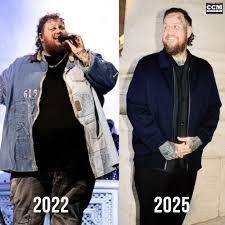
The topic of Jelly Roll weight loss has captured widespread public attention, not just because of physical changes, but because of the deeper story behind them. Jelly Roll, the genre-blending artist known for his raw lyrics, emotional storytelling, and unfiltered honesty, has long represented authenticity in an industry often dominated by image and perfection. His weight loss journey is not simply about numbers on a scale or before-and-after photos; it is a reflection of personal growth, mental health awareness, and a desire for long-term well-being. For fans and observers alike, Jelly Roll’s transformation offers insight into how health changes are deeply intertwined with lifestyle, mindset, and self-acceptance rather than superficial beauty standards.
Who Is Jelly Roll and Why His Weight Loss Matters
Jelly Roll, born Jason DeFord, rose to fame through a combination of hip-hop, country, and rock influences, building a loyal fanbase that connects deeply with his life experiences. He has always been open about his struggles with addiction, incarceration, mental health, and self-identity. Because of this transparency, his weight loss journey resonates more powerfully than typical celebrity transformations. It is not marketed as a quick fix or a cosmetic upgrade, but rather as part of an ongoing effort to live healthier, perform better, and remain present for his family and fans. His story matters because it humanizes health struggles and shows that change is possible even after years of hardship.
The Health Wake-Up Call Behind the Transformation
One of the most significant factors in Jelly Roll’s weight loss journey was the realization that his lifestyle was beginning to affect his long-term health. Touring schedules, irregular eating habits, lack of sleep, and emotional eating all contributed to weight gain over the years. Like many people, Jelly Roll faced the reality that ignoring health concerns could eventually limit his ability to perform, create, and enjoy life. This moment of awareness did not come from vanity but from concern—concern about stamina on stage, cardiovascular health, and the desire to avoid preventable medical conditions that often accompany long-term obesity.
Mental Health and Emotional Eating
Weight loss is rarely just a physical challenge, and Jelly Roll has been vocal about the emotional side of his journey. Emotional eating, stress, trauma, and depression all play major roles in weight gain, especially for individuals who have experienced turbulent life events. Jelly Roll’s music frequently addresses pain, coping mechanisms, and internal battles, and these same themes appeared in his relationship with food. Recognizing emotional triggers and learning healthier ways to process stress became a critical part of his transformation. Rather than masking emotions with food, he began addressing the root causes, proving that sustainable weight loss starts with mental clarity and emotional healing.
Lifestyle Changes Instead of Crash Diets
Unlike many celebrity transformations fueled by extreme diets or short-term fitness challenges, Jelly Roll’s approach emphasized realistic lifestyle changes. Instead of cutting out entire food groups or following unsustainable meal plans, the focus was on moderation, portion control, and better food choices. Small but consistent adjustments—such as reducing processed foods, increasing protein intake, and staying hydrated—played a more important role than drastic restrictions. This approach made the process manageable, allowing progress without the pressure of perfection.
The Role of Physical Activity in Jelly Roll’s Weight Loss
Exercise became another key component of Jelly Roll’s transformation, though not in the form of extreme workouts or gym obsession. Walking, light cardio, and gradually increasing physical activity helped improve endurance and energy levels. Touring itself became more physically manageable as weight decreased, creating a positive feedback loop where increased stamina encouraged more movement. This method highlights an important truth: effective exercise does not need to be punishing. Consistency and movement that fits one’s lifestyle often matter more than intensity.
Touring Life and Its Impact on Health
Life on the road presents unique challenges for maintaining a healthy routine. Late nights, limited food options, and constant travel can easily disrupt wellness goals. Jelly Roll’s weight loss journey required adapting healthy habits to a demanding touring schedule. Choosing better meals when possible, staying active during downtime, and prioritizing rest were essential strategies. His experience reflects a reality many people face—health goals do not exist in perfect conditions, but progress can still happen with intentional choices.
Support Systems and Accountability
Another important aspect of Jelly Roll’s weight loss was the presence of a strong support system. Whether through family, close friends, or professional guidance, accountability helped keep momentum alive. Having people who encourage healthy decisions without judgment makes a significant difference, especially during setbacks. Jelly Roll’s openness about his struggles also created accountability with fans, turning his journey into a shared experience rather than a private battle.
Body Positivity and Self-Acceptance
While weight loss is often framed as self-improvement, Jelly Roll’s message remains rooted in self-acceptance. He has consistently emphasized that self-worth does not depend on body size. This perspective is crucial because it reframes weight loss as an act of self-care rather than self-criticism. By valuing health without shaming his past body, Jelly Roll sends a powerful message that people deserve respect and love at every stage of their journey.
Public Reaction and Fan Response
Fans have largely responded positively to Jelly Roll’s weight loss, not because of appearance alone, but because of the honesty surrounding it. Many people see themselves reflected in his struggles, making his progress feel achievable and relatable. Rather than creating unrealistic expectations, his story encourages patience, resilience, and authenticity. The public reaction demonstrates a growing appreciation for real, imperfect journeys over curated perfection.
Lessons from Jelly Roll’s Weight Loss Journey
Jelly Roll’s transformation offers several lessons applicable to anyone pursuing better health. First, sustainable weight loss is a long-term commitment rather than a quick result. Second, mental health plays a crucial role in physical change. Third, progress does not require perfection—only consistency and self-compassion. These lessons challenge the diet culture narrative and promote a healthier, more realistic approach to wellness.
Addressing Misconceptions About Celebrity Weight Loss
There is often an assumption that celebrity weight loss is driven by expensive trainers, extreme interventions, or cosmetic procedures. While access to resources can help, Jelly Roll’s journey highlights that mindset and daily habits matter more than privilege. His openness about the difficulty of change dispels myths and reminds audiences that transformation is rarely linear, even for public figures.
The Long-Term Perspective on Health
Weight loss is not a finish line, and Jelly Roll’s story reinforces the importance of long-term maintenance. Health is an ongoing practice involving balance, awareness, and adaptability. Setbacks may occur, but they do not erase progress. By focusing on sustainability rather than perfection, Jelly Roll demonstrates how health goals can evolve alongside personal growth.
Frequently Asked Questions (FAQ)
Did Jelly Roll follow a specific diet?
There is no indication that Jelly Roll followed a strict or branded diet. His approach focused on moderation, better food choices, and reducing unhealthy habits rather than extreme restrictions.
How much weight did Jelly Roll lose?
Exact numbers have not been officially confirmed, but the emphasis has remained on improved health, stamina, and lifestyle rather than specific weight figures.
Did Jelly Roll work with trainers or doctors?
While professional guidance can be helpful, Jelly Roll has emphasized personal commitment and lifestyle changes more than specialized programs.
Was his weight loss motivated by appearance?
No. The primary motivation appears to be health, longevity, and the ability to continue performing and enjoying life.
Is Jelly Roll still body-positive?
Yes. He continues to promote self-acceptance and rejects the idea that worth is defined by body size.
Conclusion
The story of Jelly Roll weight loss is ultimately a story of self-respect, honesty, and resilience. It moves beyond the shallow narrative of physical transformation and instead highlights the emotional, mental, and lifestyle factors that shape health. By sharing his journey openly, Jelly Roll has created space for meaningful conversations about wellness that do not rely on shame or unrealistic standards. His experience serves as a reminder that health is personal, progress is imperfect, and change is possible at any stage of life. More than anything, his journey proves that taking care of oneself is not about becoming someone new, but about honoring who you already are.
